


Built for Grades 9–12
High school students are ready to work like engineers. Forward Education kits give them autonomous systems, real electronics, and industry-connected projects that connect directly to post-secondary pathways in computer science, engineering, and skilled trades.
Autonomous Systems
Students design, code, and test autonomous vehicles, robotic irrigation systems, and smart infrastructure — projects that mirror real engineering workflows.
Data-Driven Engineering
Collect and interpret complex sensor datasets, write algorithms that respond to live inputs, and use data to make design decisions — just like working engineers.
Applied Electronics
Go beyond breadboards. Students solder real circuits, program components, and build functional electronic systems — skills that connect directly to trades and engineering careers.
Industry-Connected Projects
Work on challenges tied to precision agriculture, transportation, renewable energy, and conservation. Every project connects to a real industry and a real-world problem worth solving.
Products and Lessons for Grades 9–12
Each kit below pairs with curriculum-aligned lessons from learn.forwardedu.com. Lessons are designed for grades 9–12, with autonomous systems, data-driven engineering, applied electronics, and industry-connected projects.
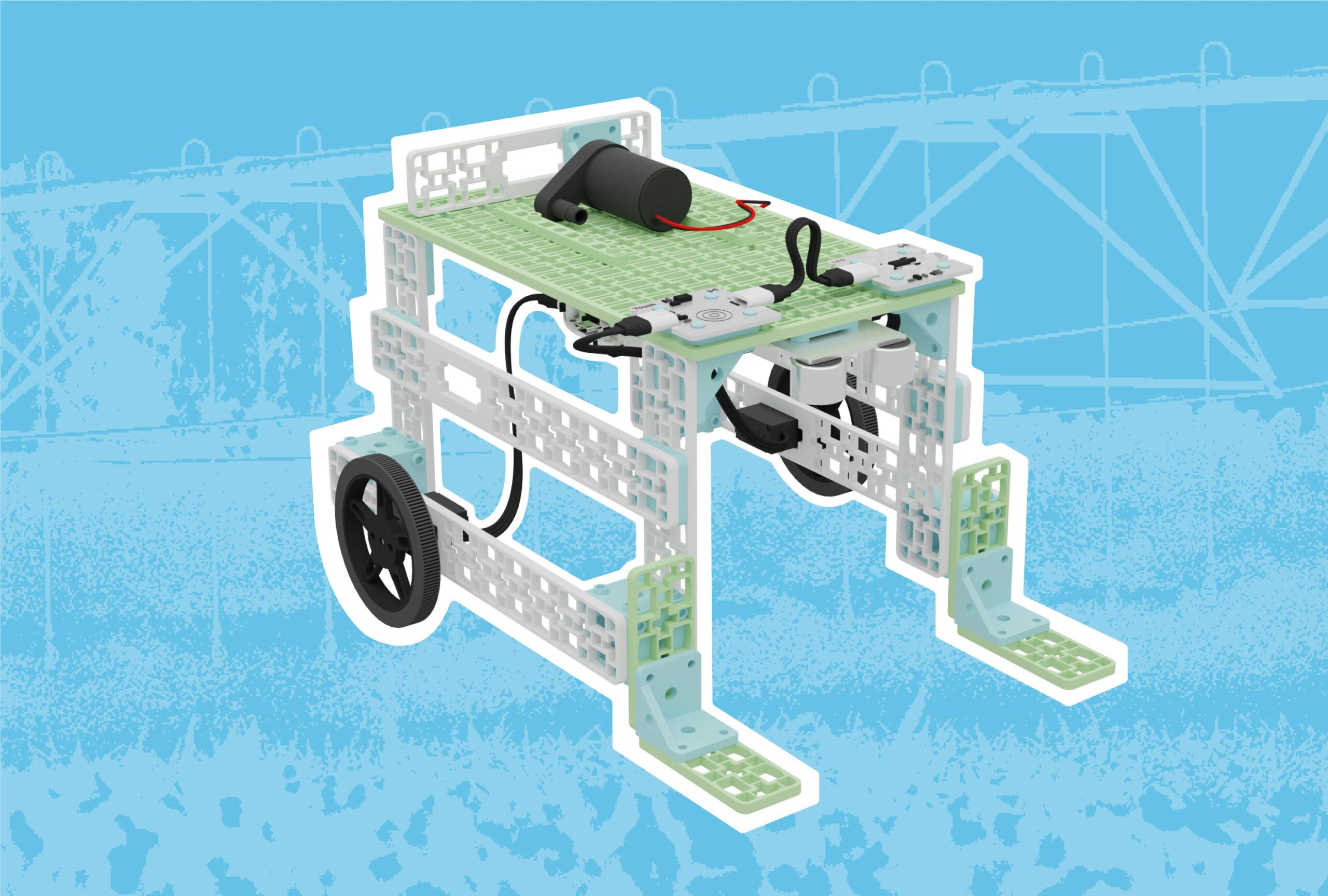
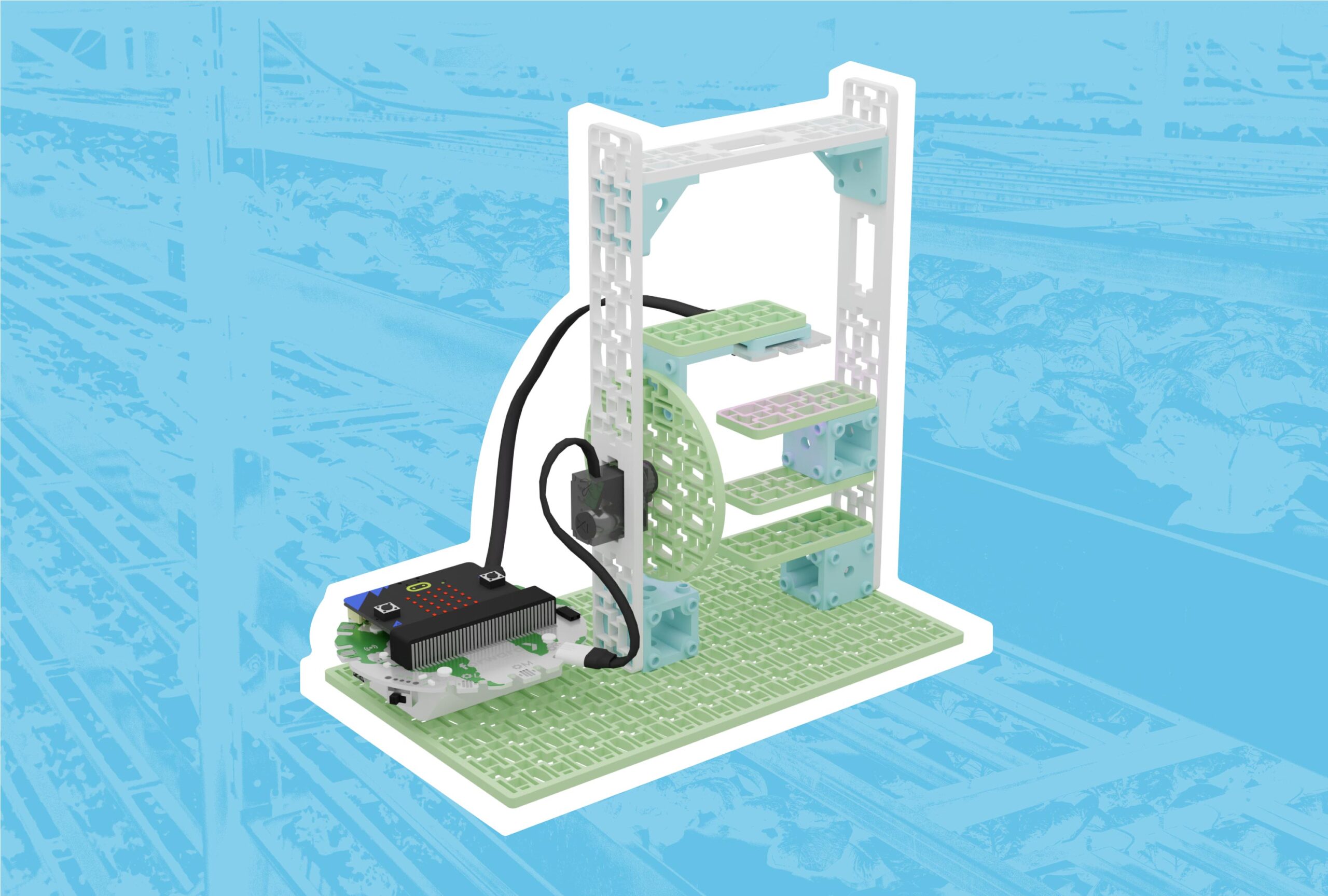
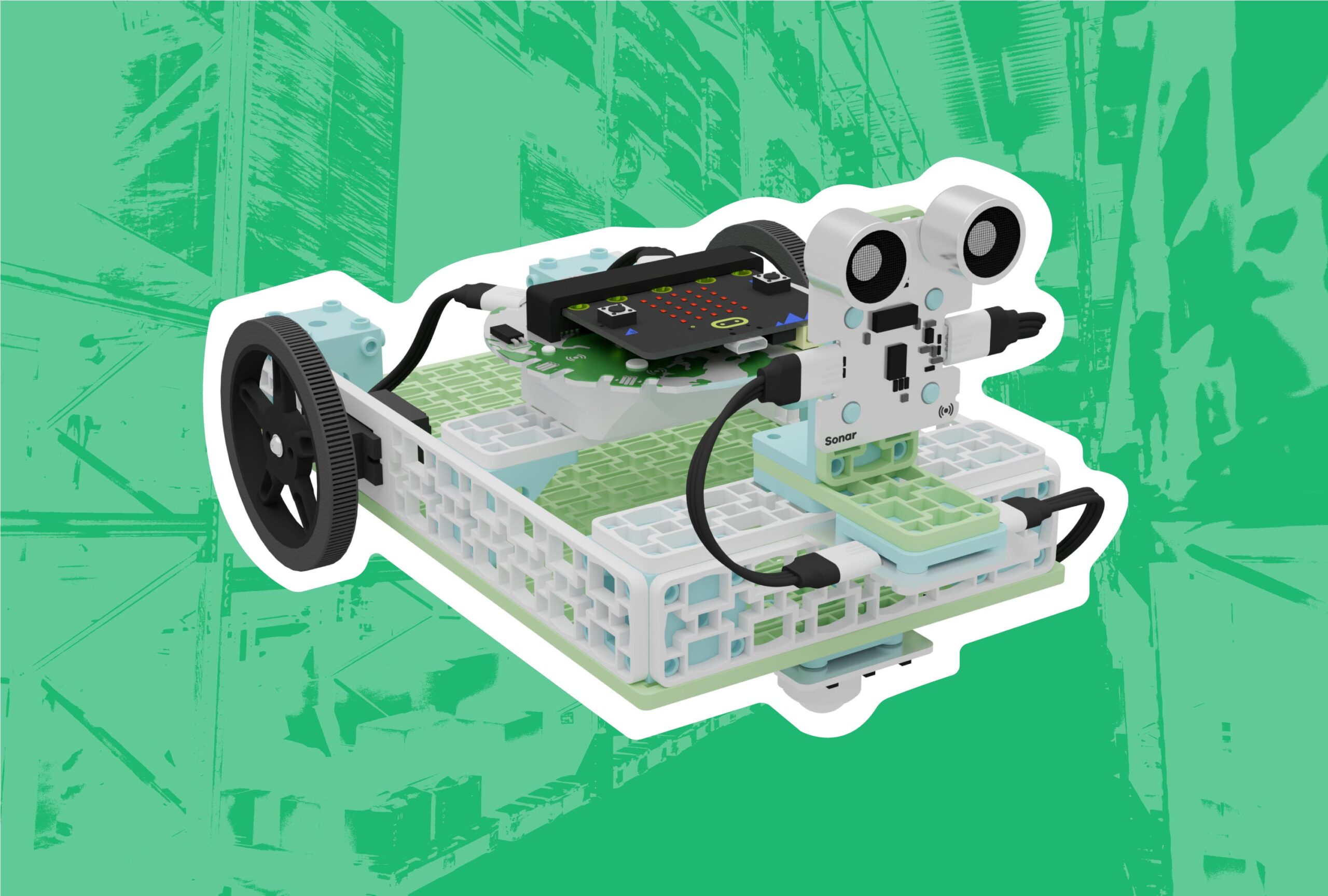
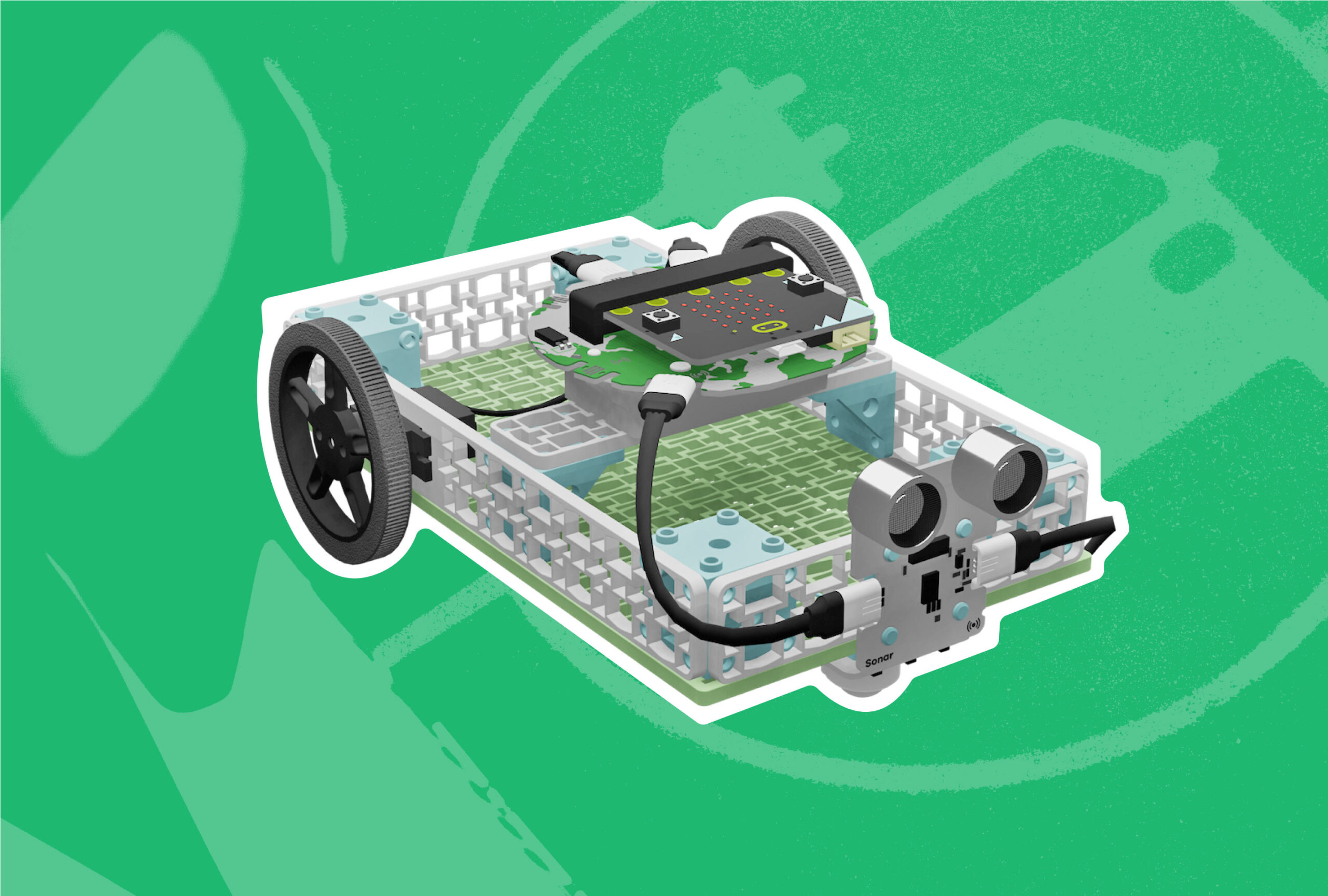
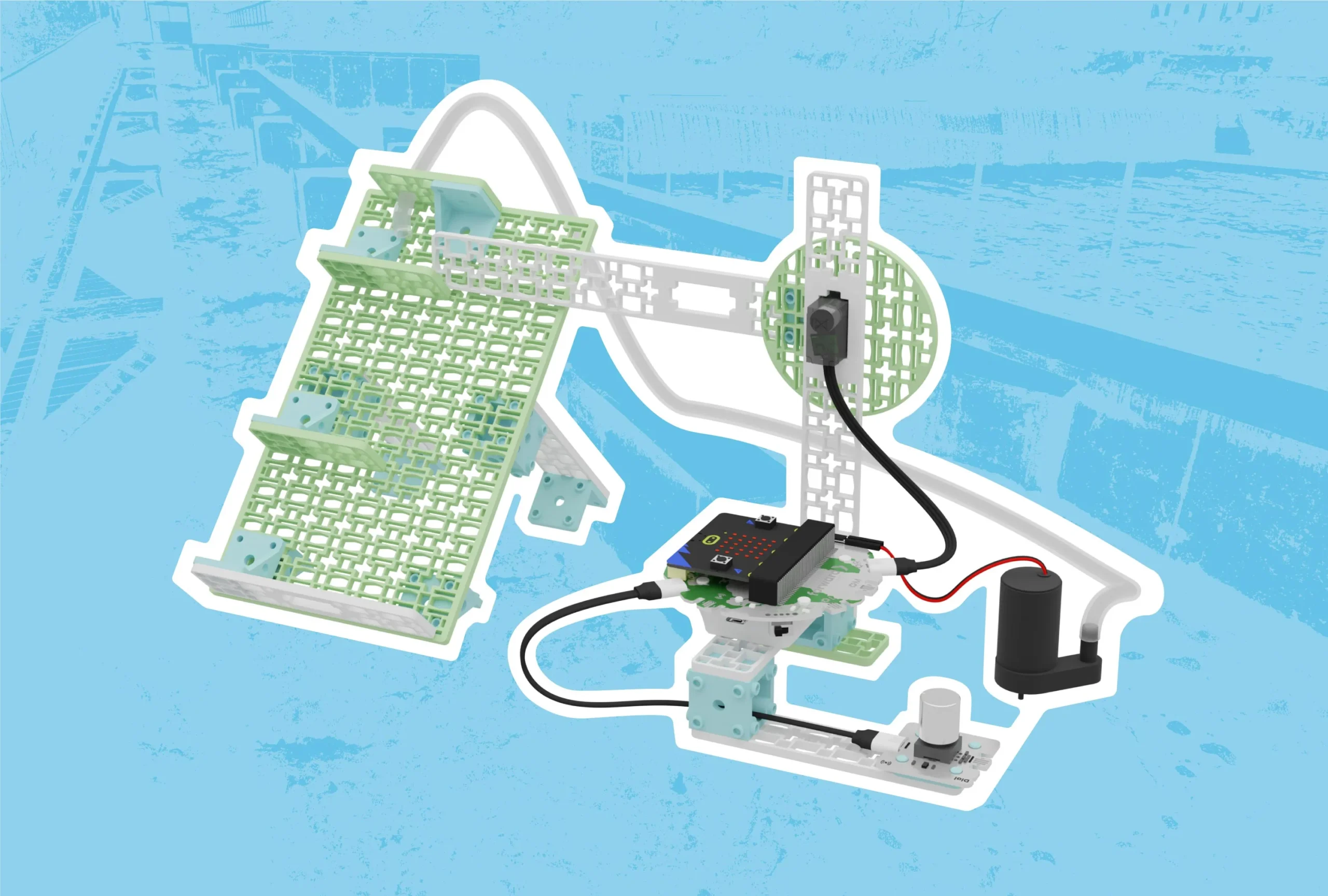
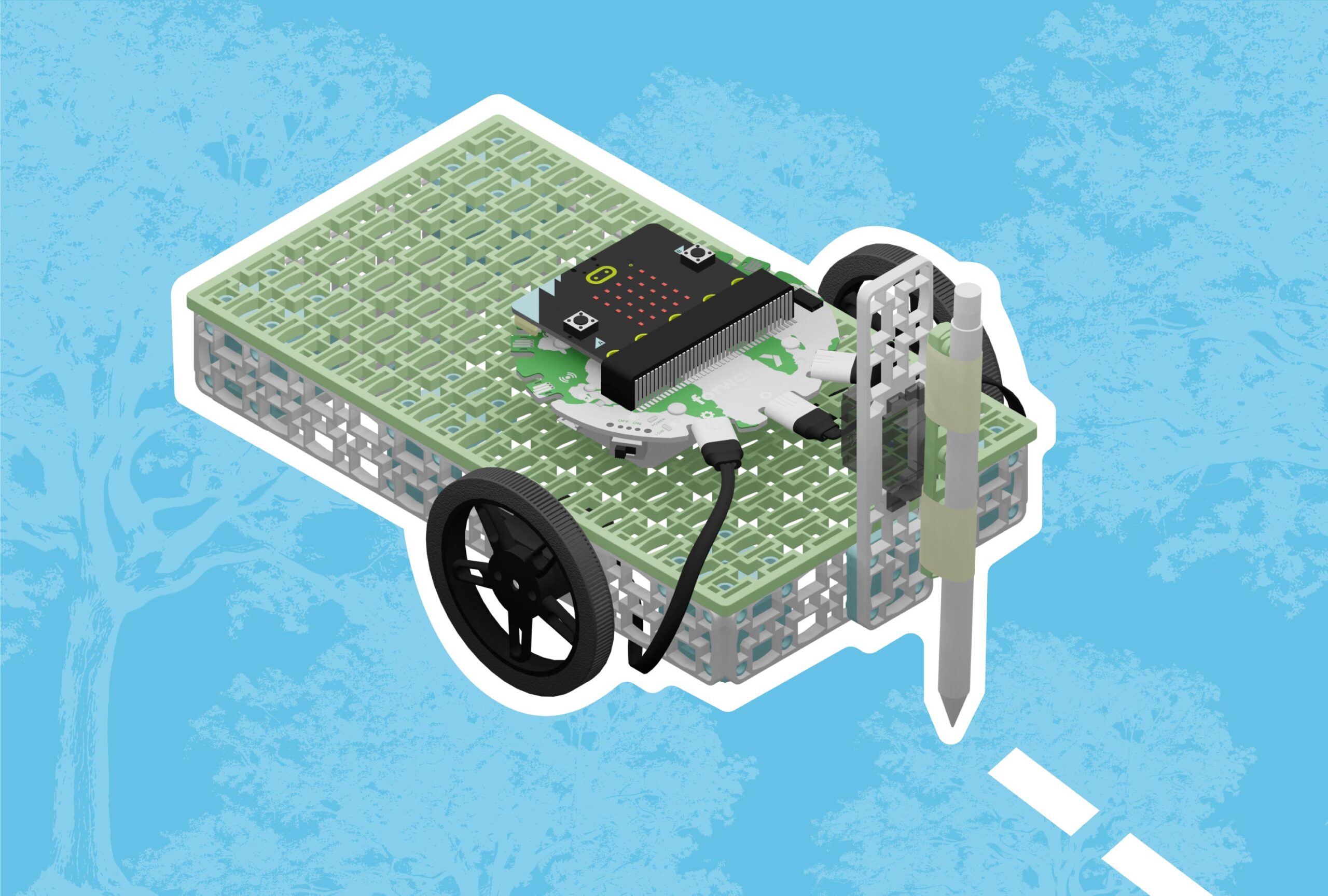
 Coding for Good Kit
Code autonomous vehicles, robotic systems, and precision agriculture solutions. High school projects tackle real industrial and environmental engineering challenges.

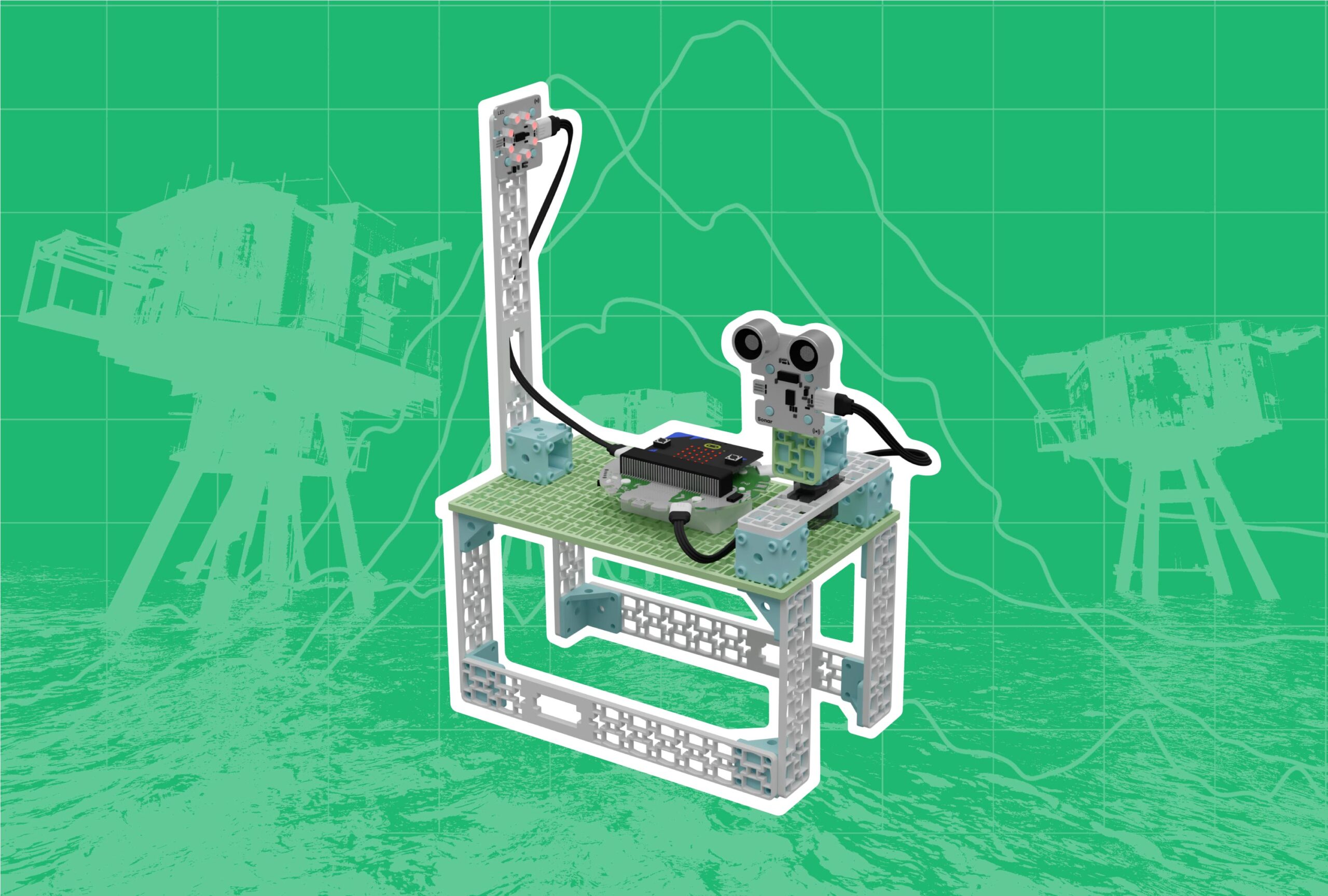
 Climate Action Kit
Tackle complex conservation and ecosystem challenges — from protecting fish migration routes to nominating marine Hope Spots. Projects integrate data, design thinking, and real-world advocacy.
 MicroChat
A classroom-safe AI coding assistant built into MakeCode. Use MicroChat alongside any kit to build AI literacy skills — from prompt engineering and debugging to critical thinking and ethics.


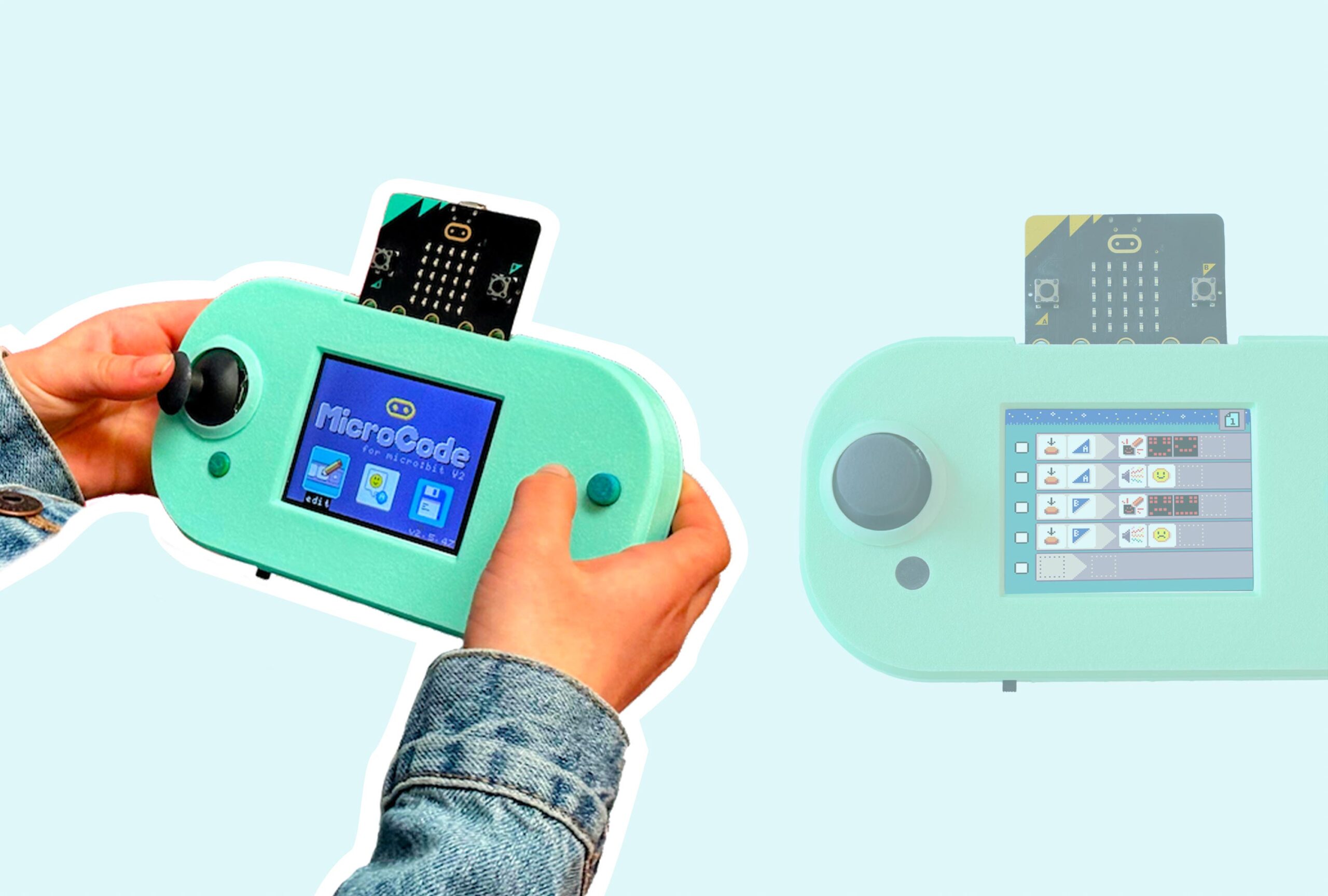
 CodeCTRL for micro:bit
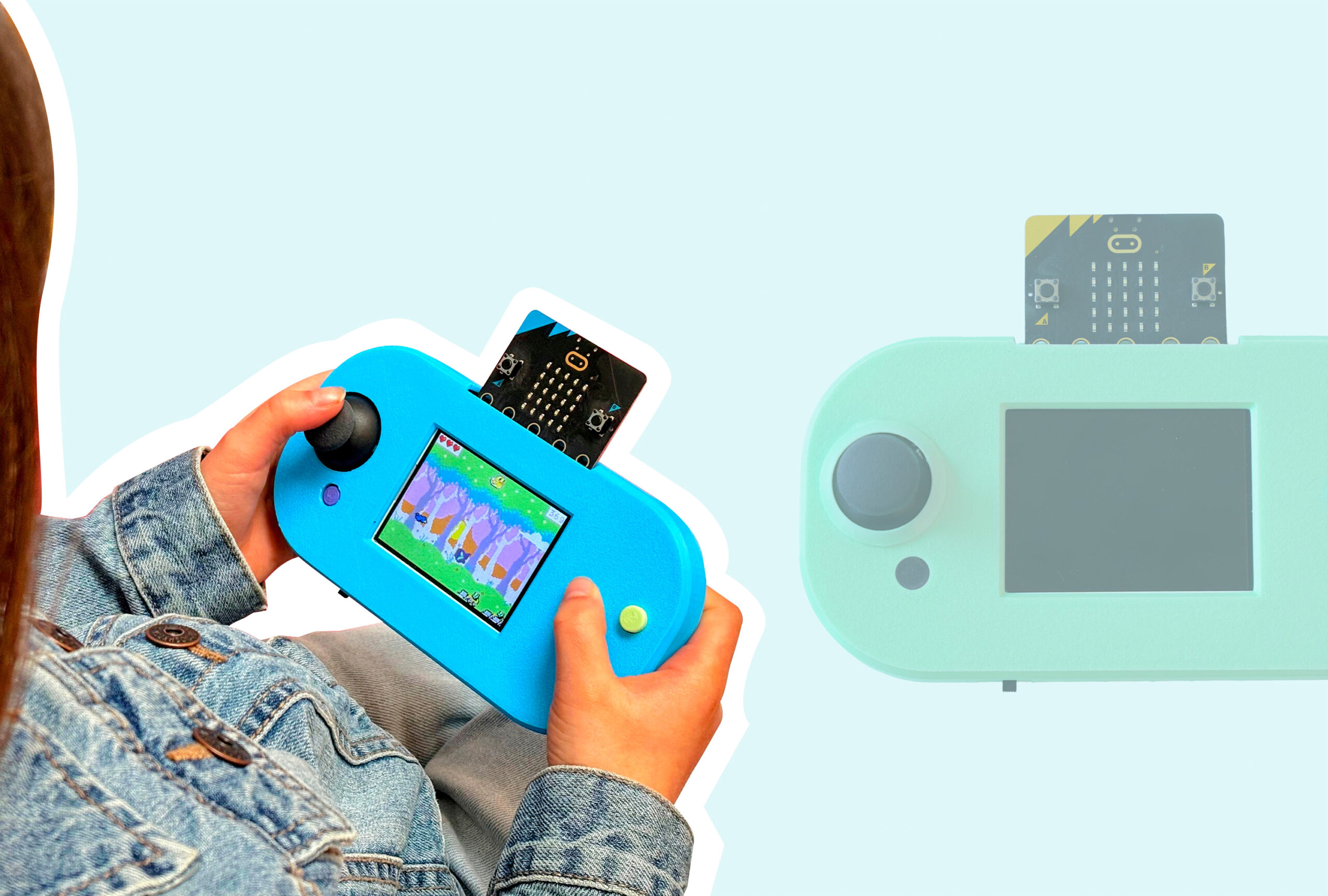
A handheld controller and display for micro:bit. Code with MicroCode's icon-based editor, design and play MakeCode Arcade games, and build interactive projects — no computer required.


 Smart Soldering Kit
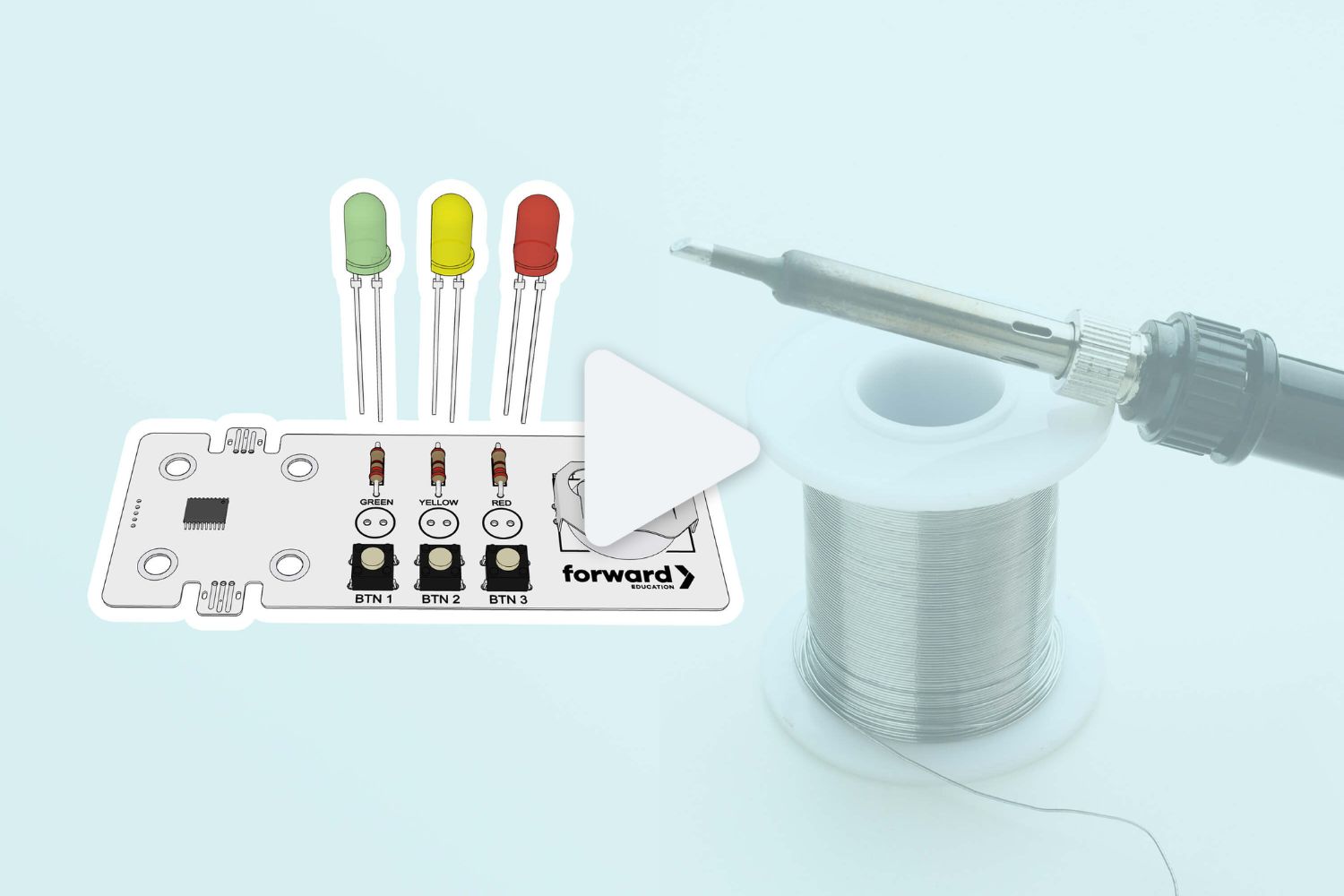
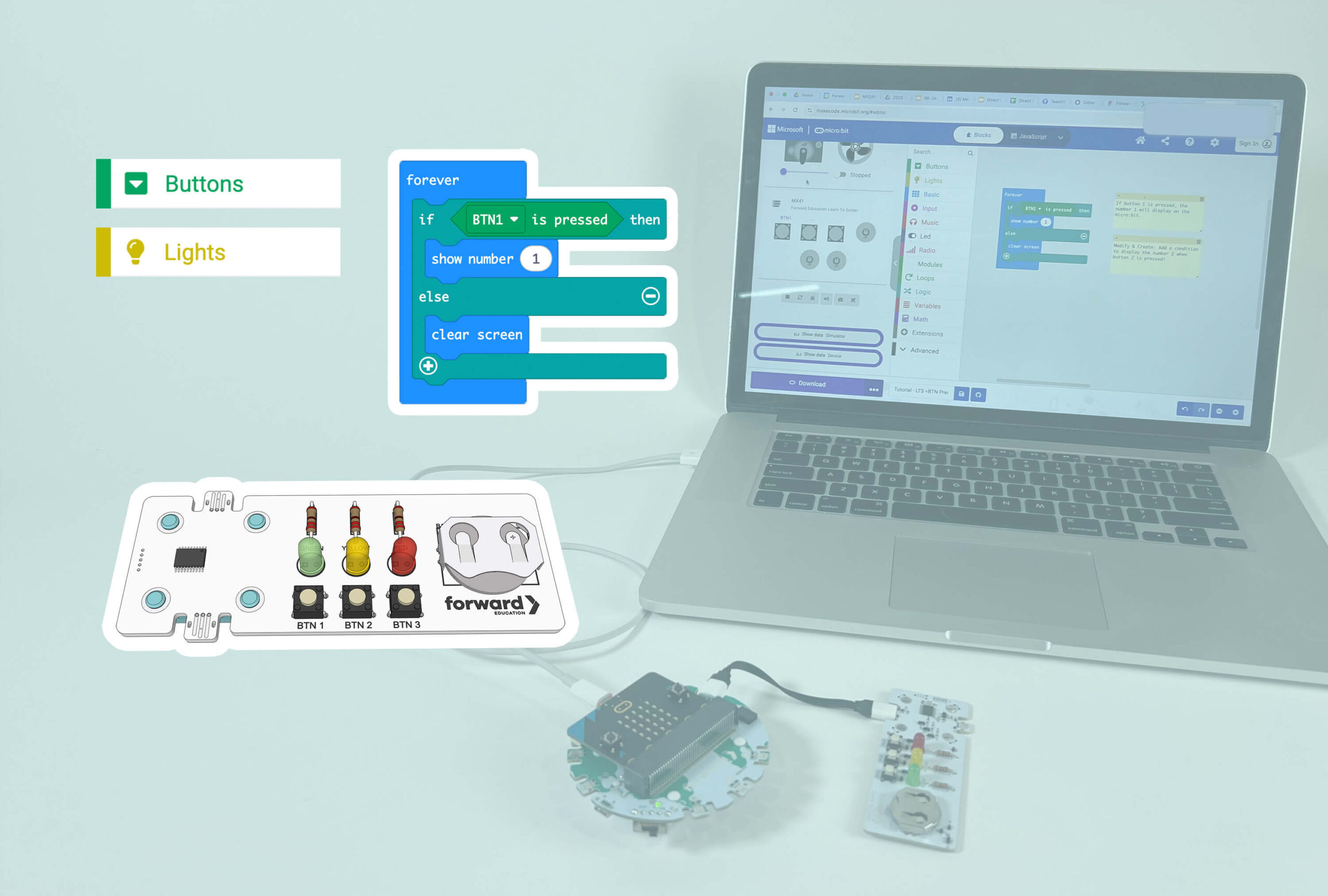
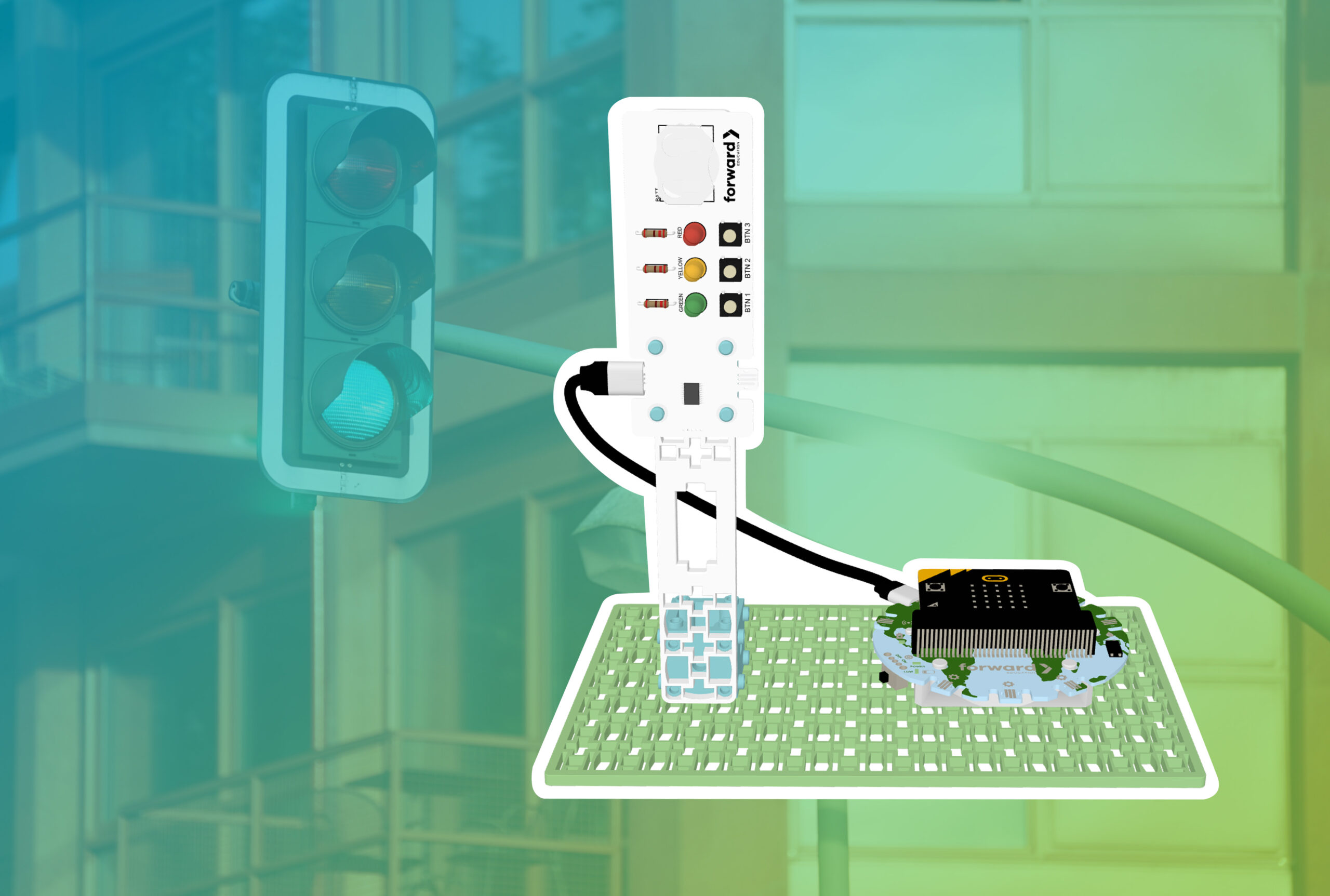
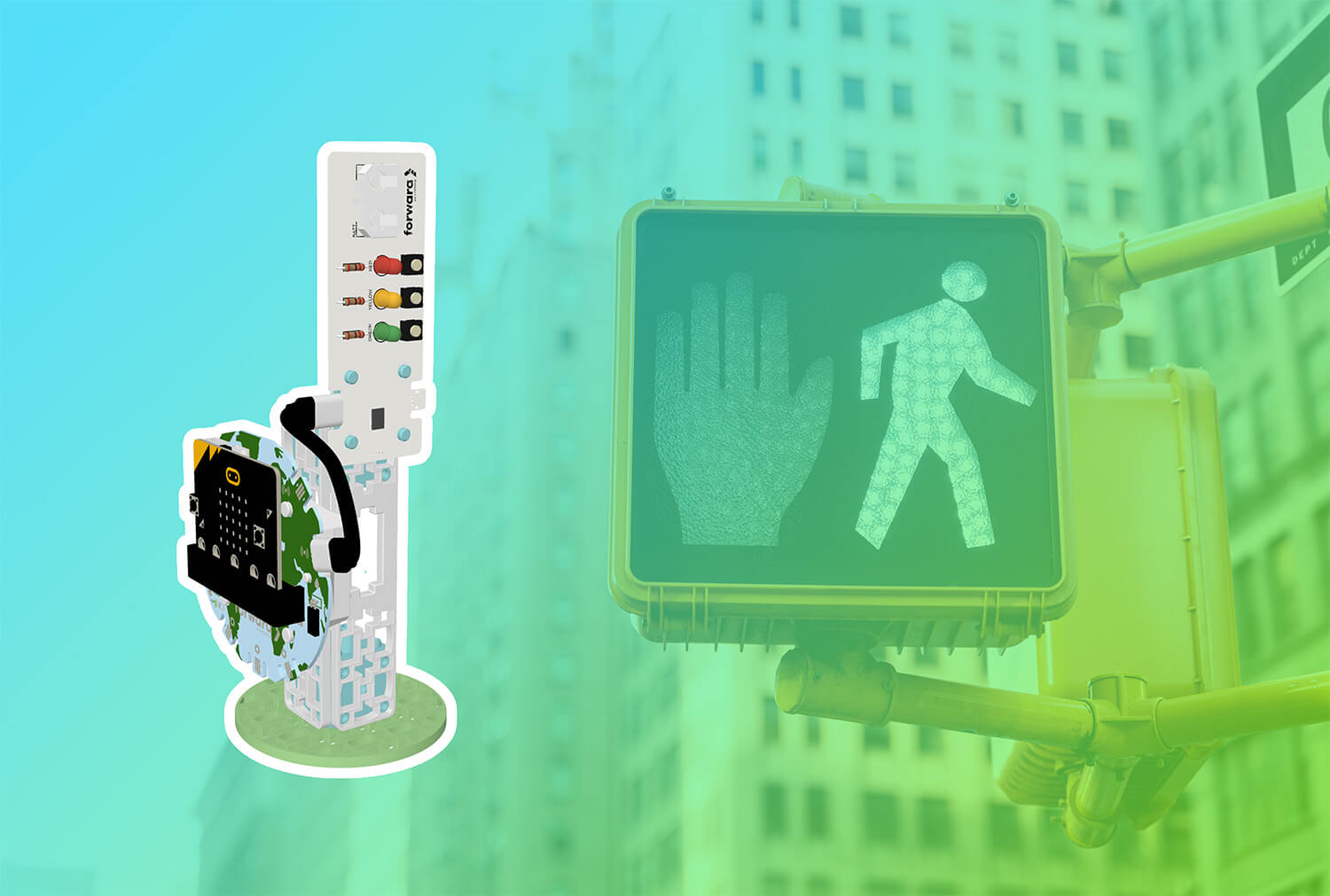
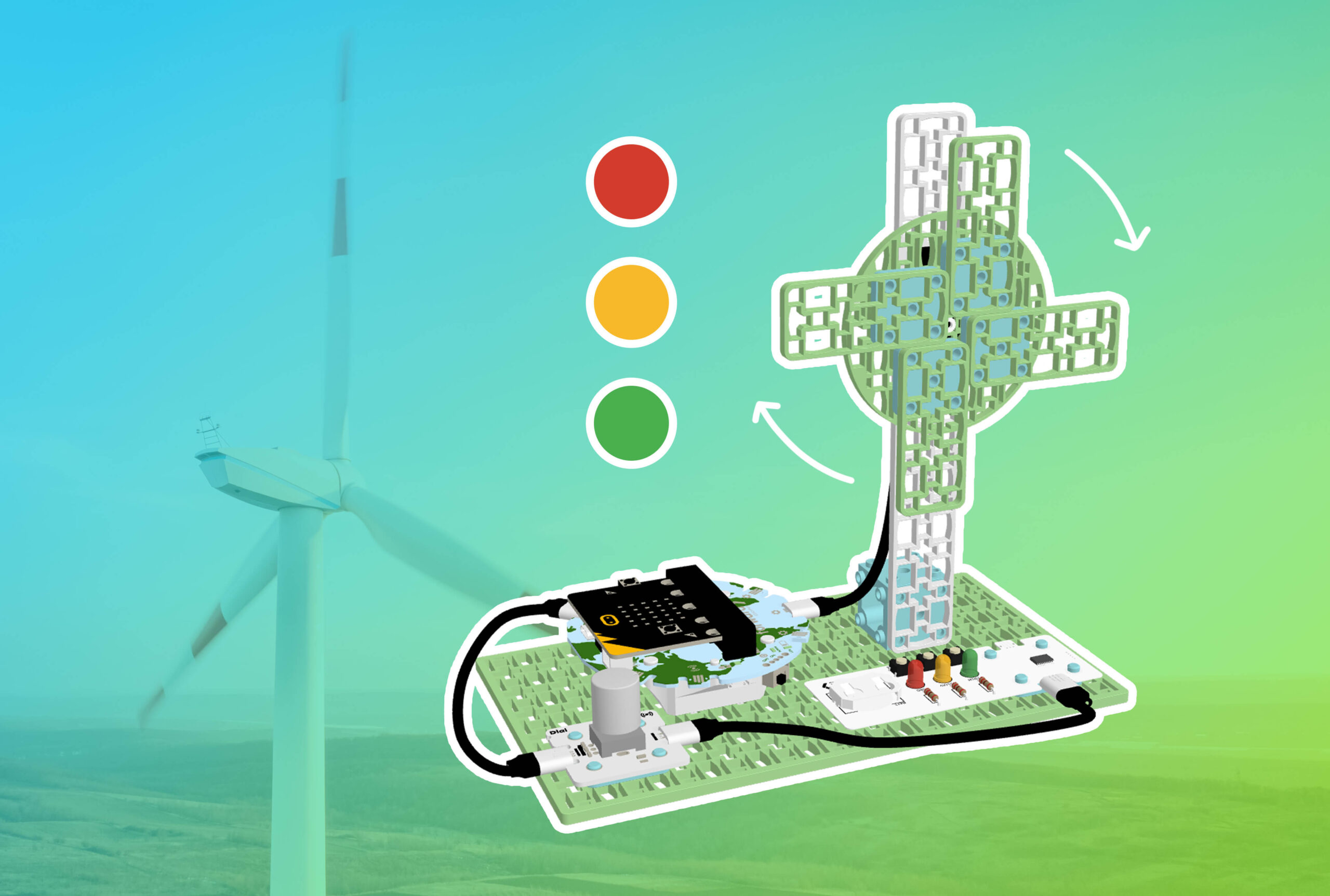
Learn practical electronics through hands-on soldering. Students build and code real circuits — from traffic lights to turbine indicators — developing skills used in engineering and electronics careers.
Standards Alignment for Grades 9–12
Forward Education kits align to CSTA Computer Science standards, NGSS Science and Engineering Practices, and CCSS Math standards for grades 9–12. Here is a summary of the key strands covered.
Full Ecosystem Alignment
Explore strand-by-strand coverage across all Grades 9–12 products. Select a subject to see coverage details.
What Teachers Are Saying
Educators using Forward Education kits with high school learners share what it looks like in their classrooms.
Mr. Sandhu, Computer Science Teacher
"My grade 11 students built autonomous irrigation vehicles from scratch. They were writing real control algorithms and debugging sensor inputs. It's the closest thing to a real engineering project I've ever run in a classroom."
Ms. Tremblay, Science Department Head
"The climate-focused projects give students a reason to care about the engineering. When they're designing a fishway to protect salmon migration, it stops being a school assignment and starts being something meaningful."
Mr. Harrington, Tech & Engineering Teacher
"The Smart Soldering Kit was the missing piece. Students who go into trades or electronics need hands-on circuit skills, and this is the first kit I've found that actually delivers that with real coding integration."

IMPACT STORY
How Rockway High School Turned Solar Panels into a Coding Classroom
Students at Rockway Mennonite School used the Smart Solar Energy Kit to collect real power output data from the school's rooftop solar panels. They wrote code to log readings, analyze trends, and build a live dashboard — connecting physics, coding, and sustainability in one hands-on project.
Read the Full StoryFrequently Asked Questions
Students design, code, and test autonomous vehicles, robotic irrigation systems, and smart infrastructure projects that mirror real engineering workflows. Topics include autonomous systems, data-driven decision making, applied electronics, and industry-connected challenges.
Yes. With the Smart Soldering Kit, students go beyond breadboards to solder real circuits, program components, and build functional electronic systems. These skills connect directly to trades and engineering career pathways.
Projects are tied to precision agriculture, transportation, renewable energy, and conservation. Every project connects to a real industry and a real-world problem, helping students see the direct relevance of what they're building.
Kits are built around the BBC micro:bit and include motors, sensors, and chassis components for robotics builds. The Smart Soldering Kit adds soldering tools and real circuit components for electronics projects.
The kits align to CSTA Computer Science Standards, NGSS Science and Engineering Practices, and CCSS Math Standards. Full alignment documentation is available on this page.
Projects are designed to mirror real engineering workflows and connect to industries like agriculture, transportation, and energy. Soldering, autonomous systems, and data analysis are skills that appear directly in engineering, computer science, and skilled trades programs.
No. All lessons include detailed teacher guides with instructions, extension activities, and discussion prompts. The platform and curriculum are designed so that any STEM educator can facilitate the learning confidently.


