


Built for Grades 6–8
Middle school students are ready for open-ended challenges and real engineering thinking. Forward Education kits give them the tools to collect real data, build AI models, and tackle cross-curricular problems that connect coding to the world outside the classroom.
Open-Ended Design Challenges
Students define the problem, prototype solutions, and iterate. Use-Modify-Create scaffolding gives every learner an entry point and room to go further.
Real-World Data Collection
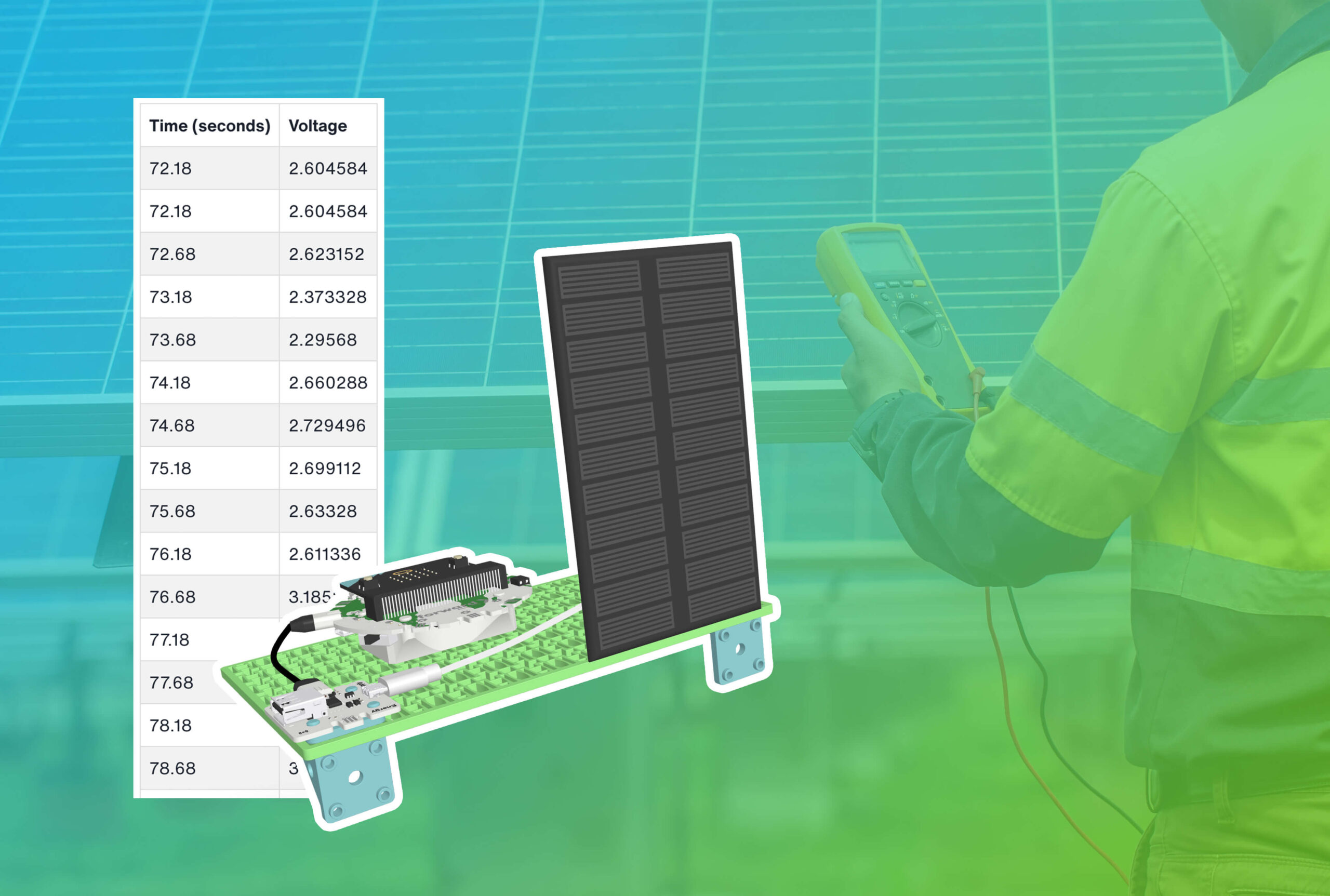
Collect, graph, and analyze live sensor data — temperature, light, solar output, motion. Math and science concepts become concrete when the data is real.
AI and Machine Learning
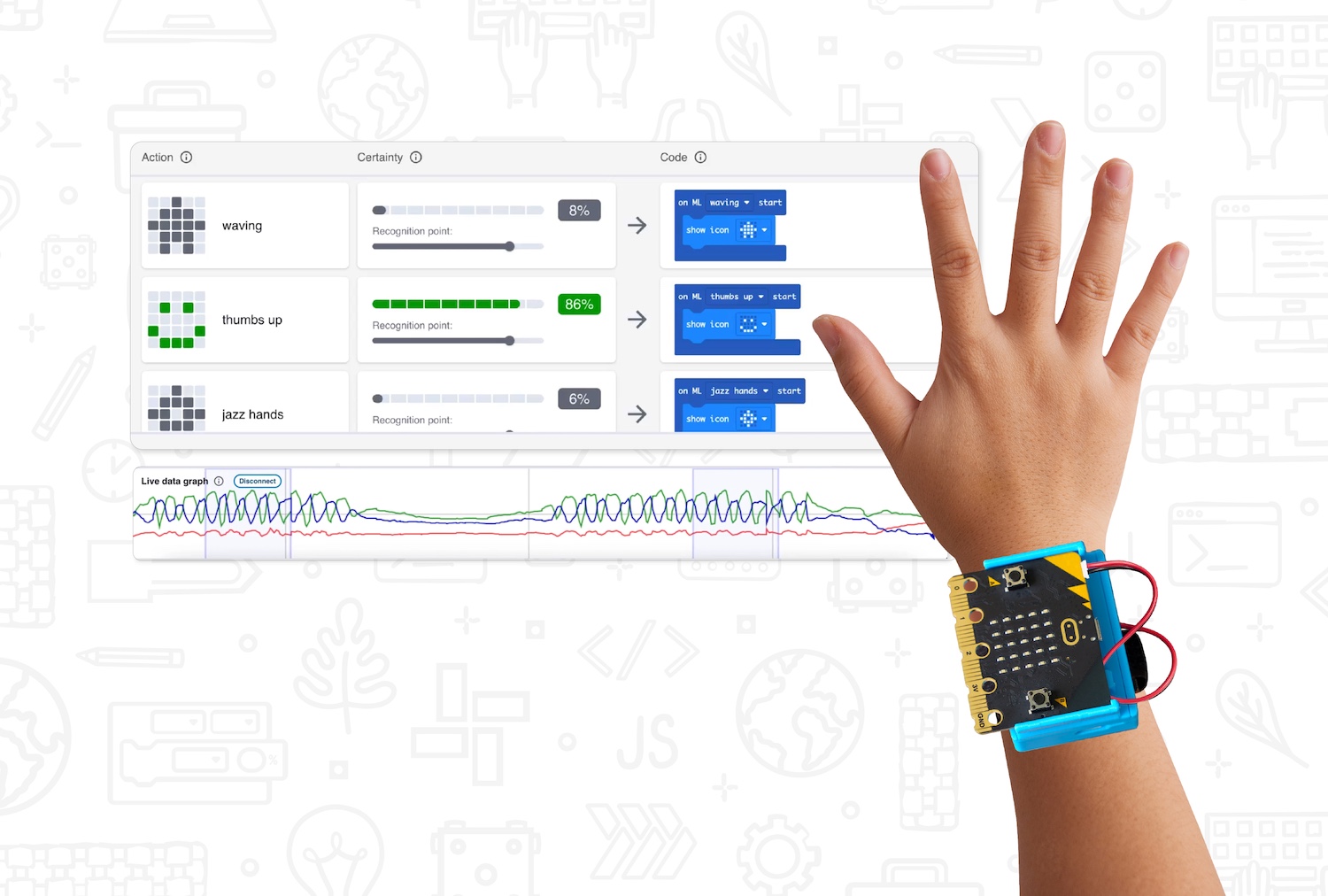
Train gesture-recognition models with CreateAI, explore algorithmic bias, and investigate the ethics of automation — hands-on, with a micro:bit.
Cross-Curricular Projects
Connect coding to climate science, health, engineering, and social studies. Projects align to SDGs and draw on NGSS practices, CSTA standards, and CCSS math.
Products and Lessons for Grades 6–8
Each kit below pairs with curriculum-aligned lessons from learn.forwardedu.com. Lessons are designed for grades 6–8, with open-ended design challenges, real sensor data, and AI and machine learning projects.
 Coding for Good Kit
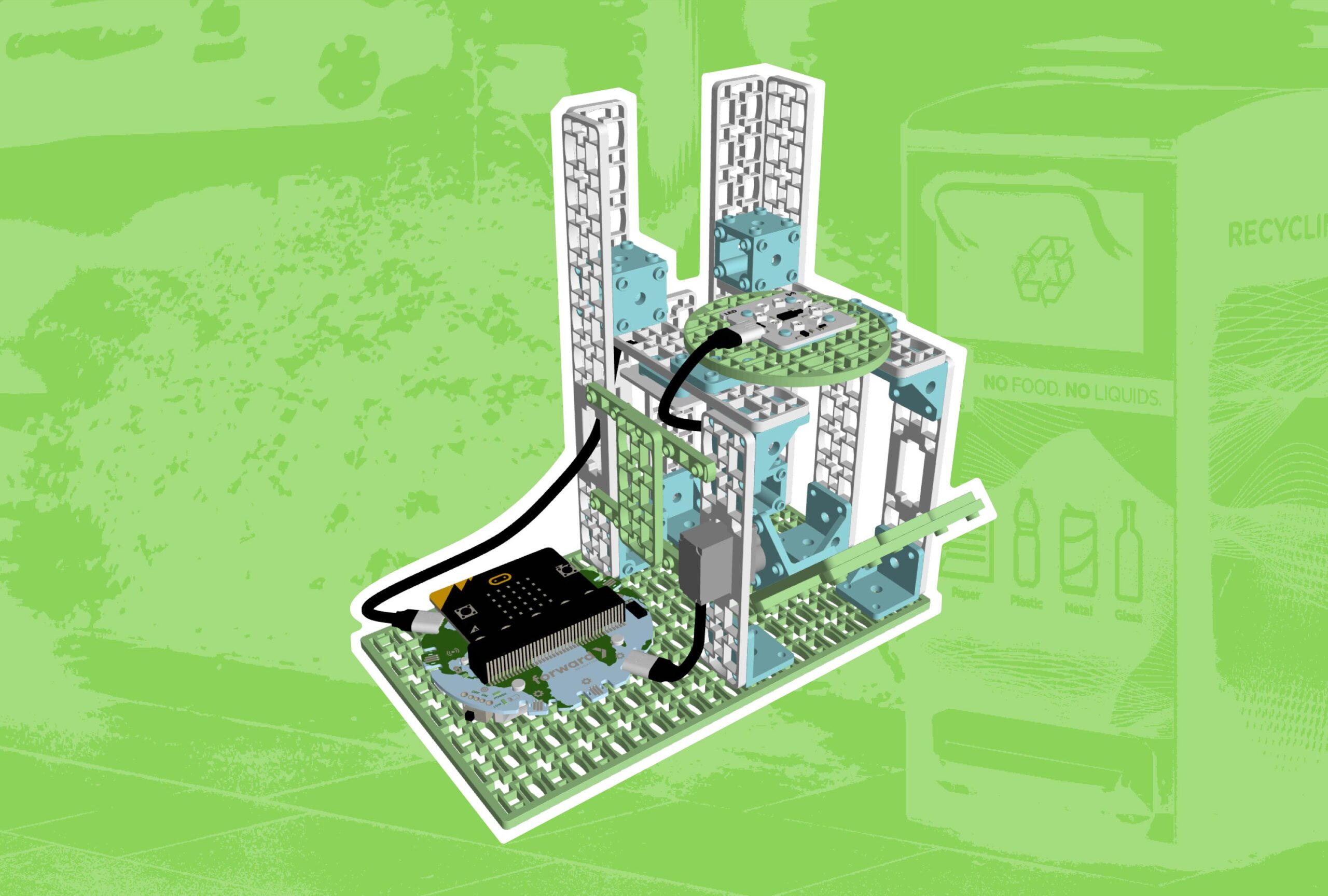
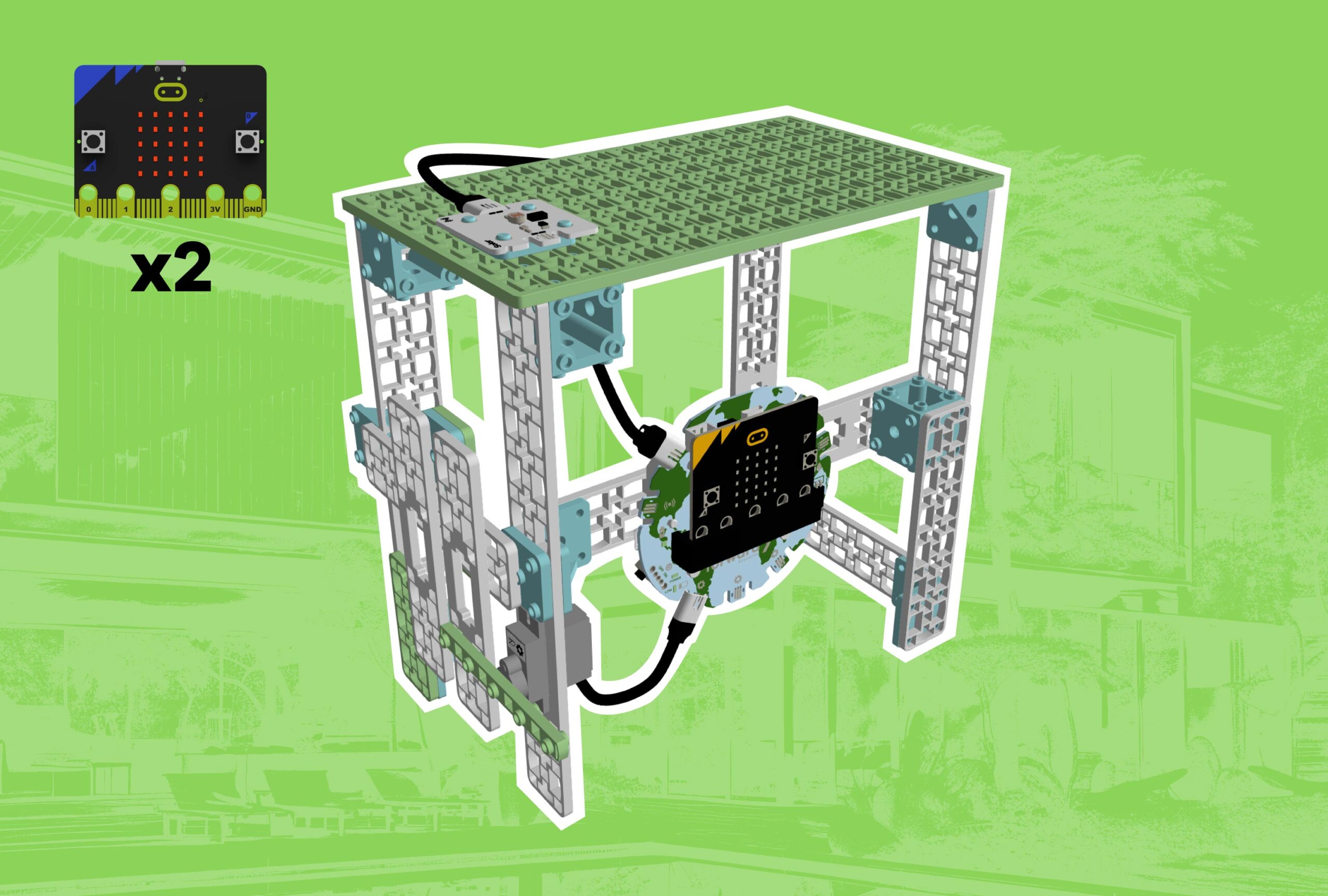
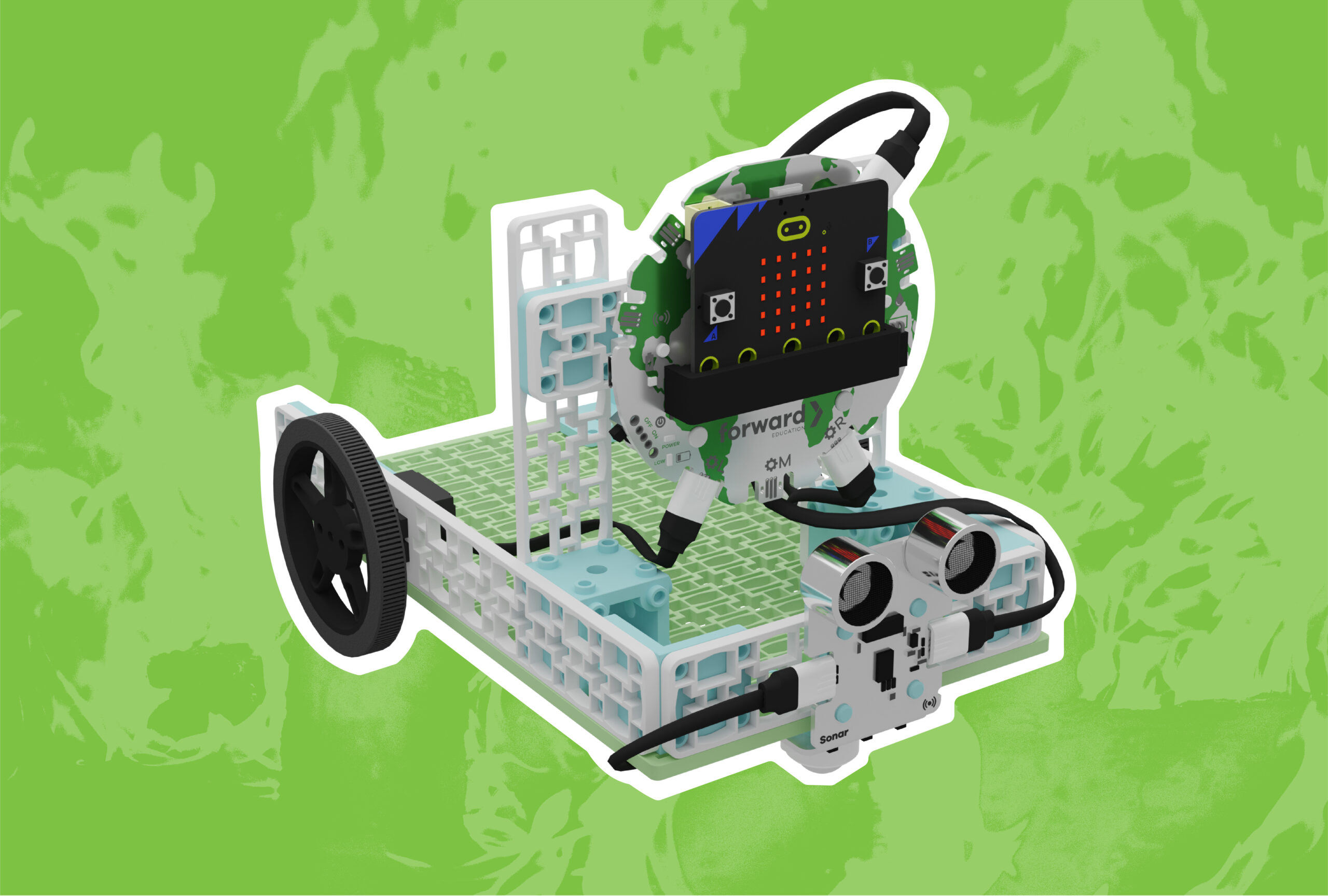
Design and code solutions to real-world challenges — from smart garbage bins to wildfire detection systems. Projects build systems thinking and engineering design skills for grades 6–8.

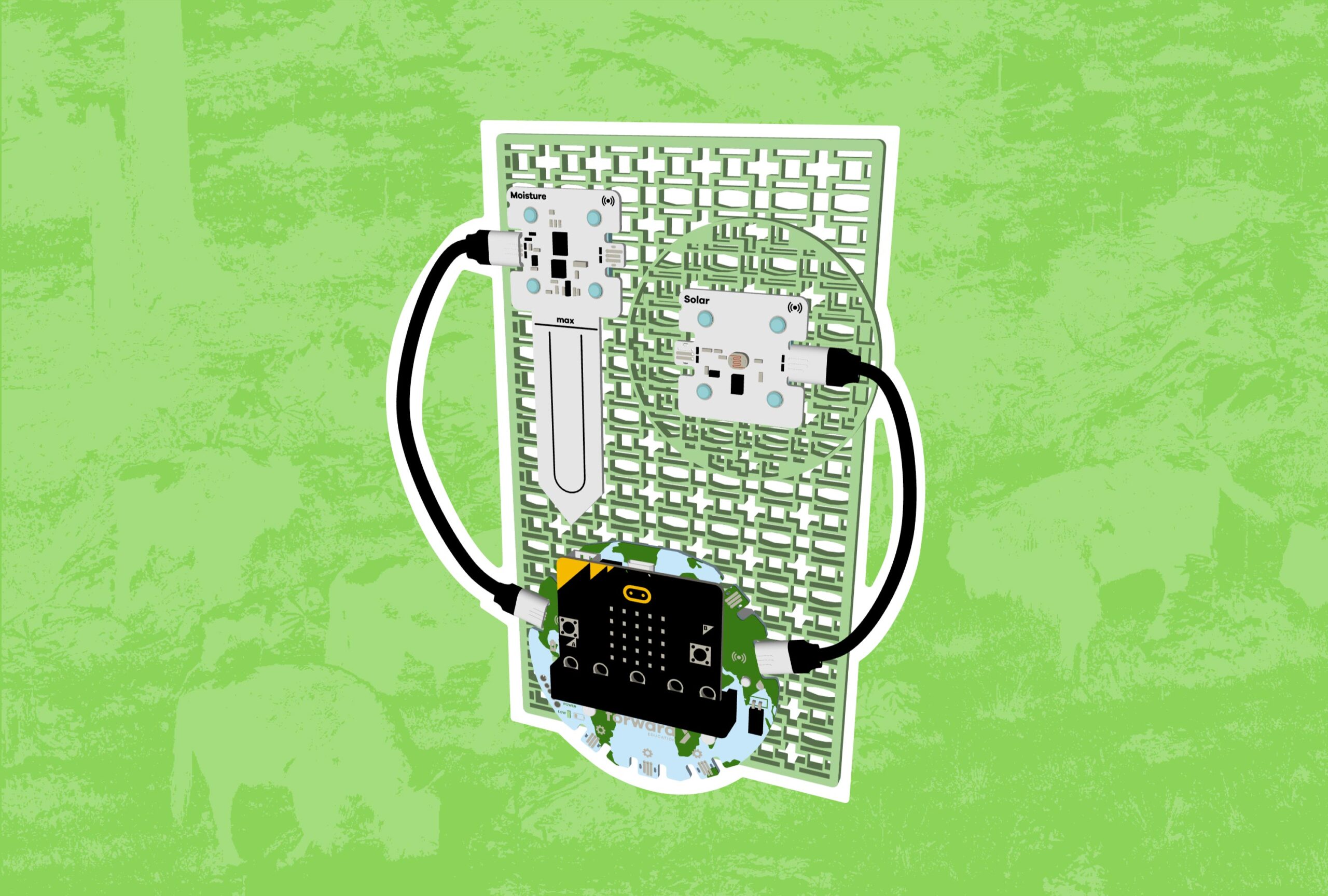
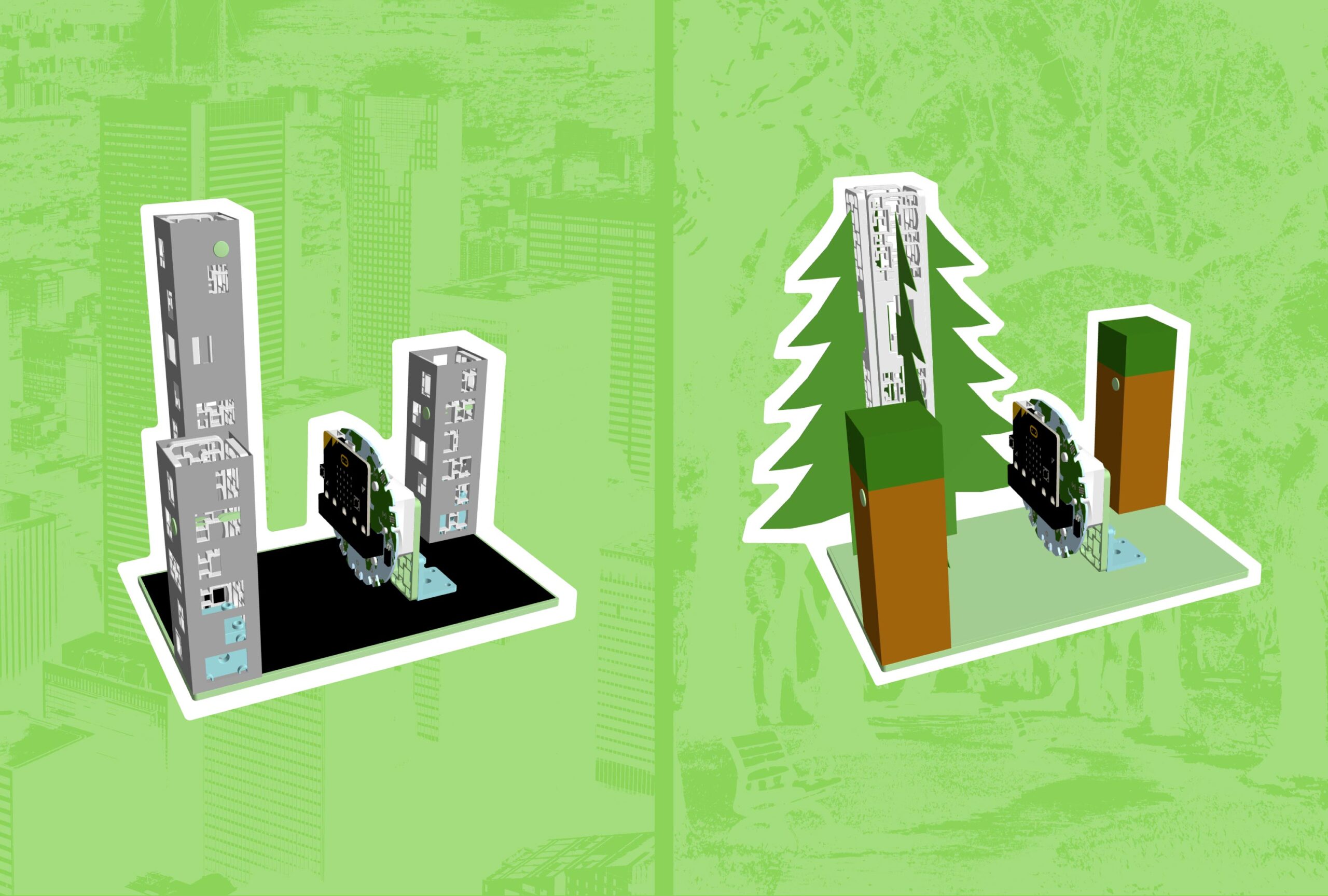
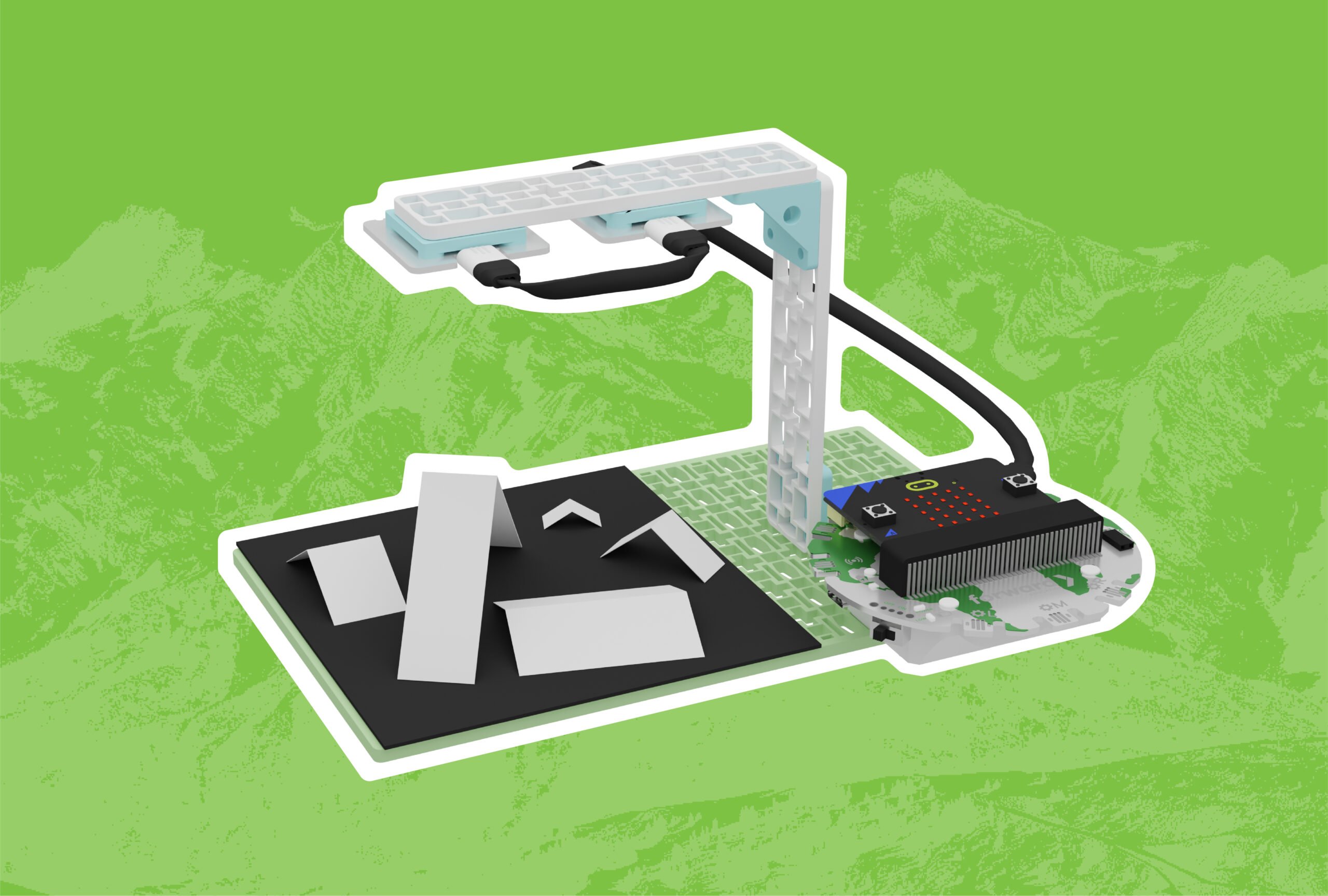
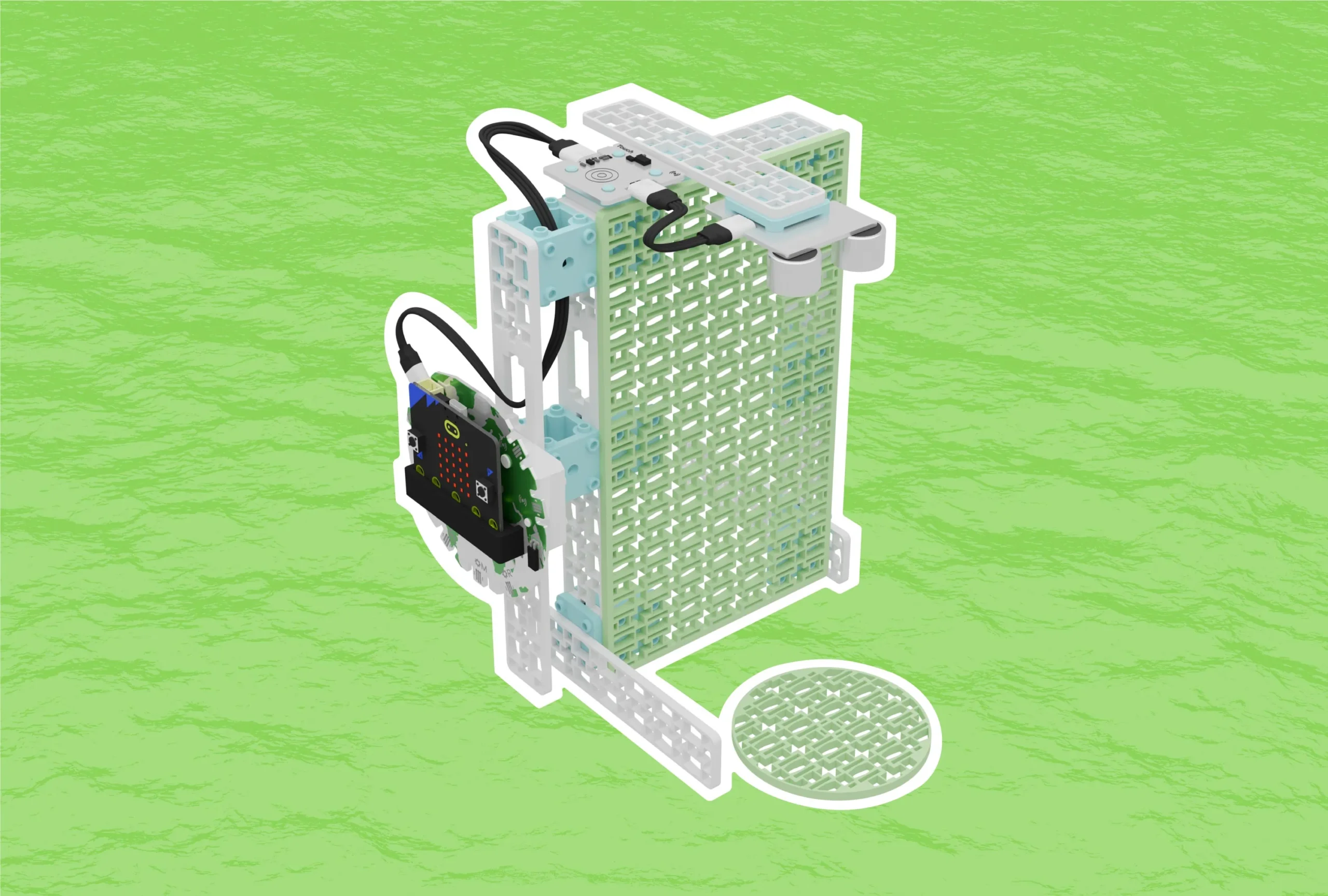
 Climate Action Kit
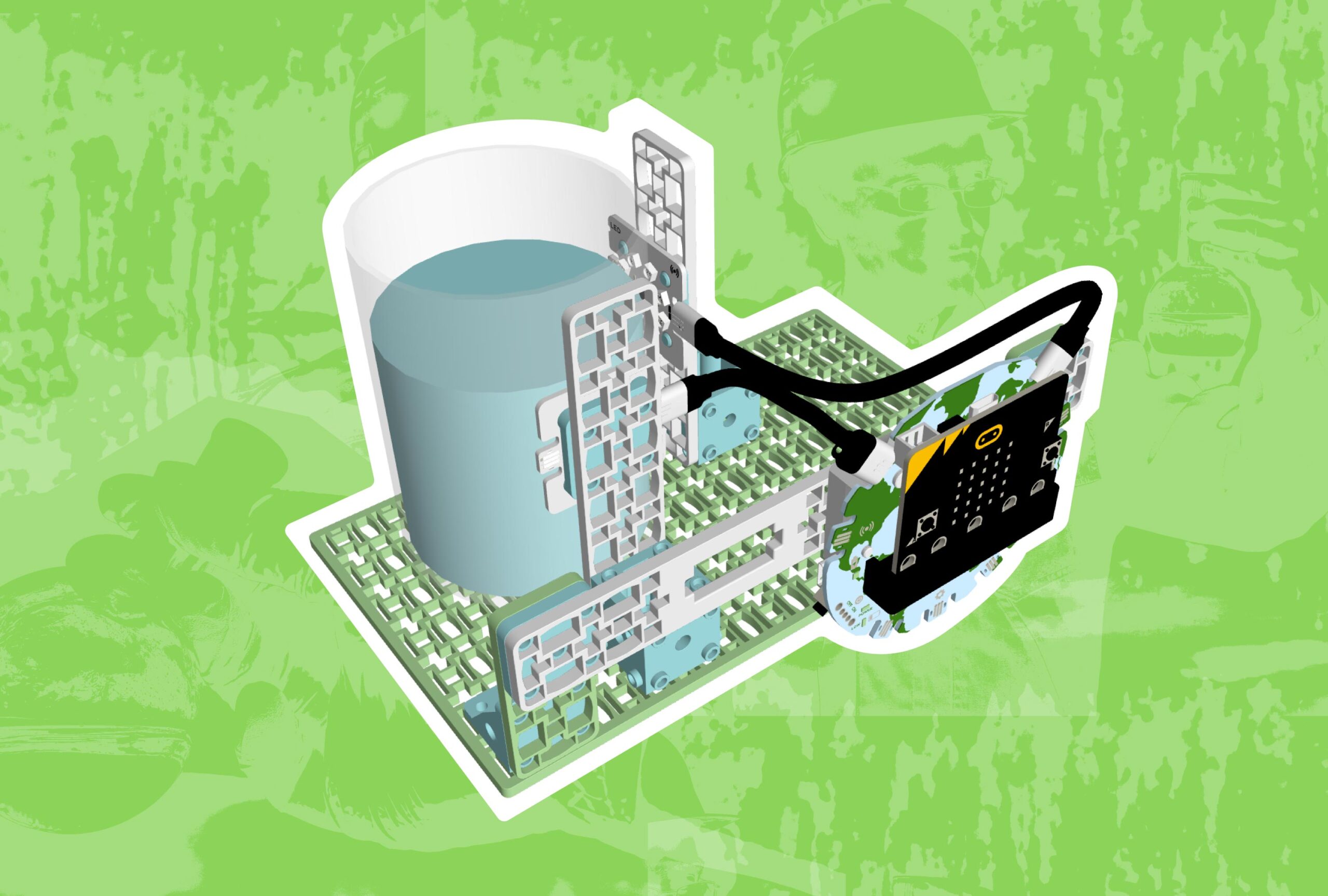
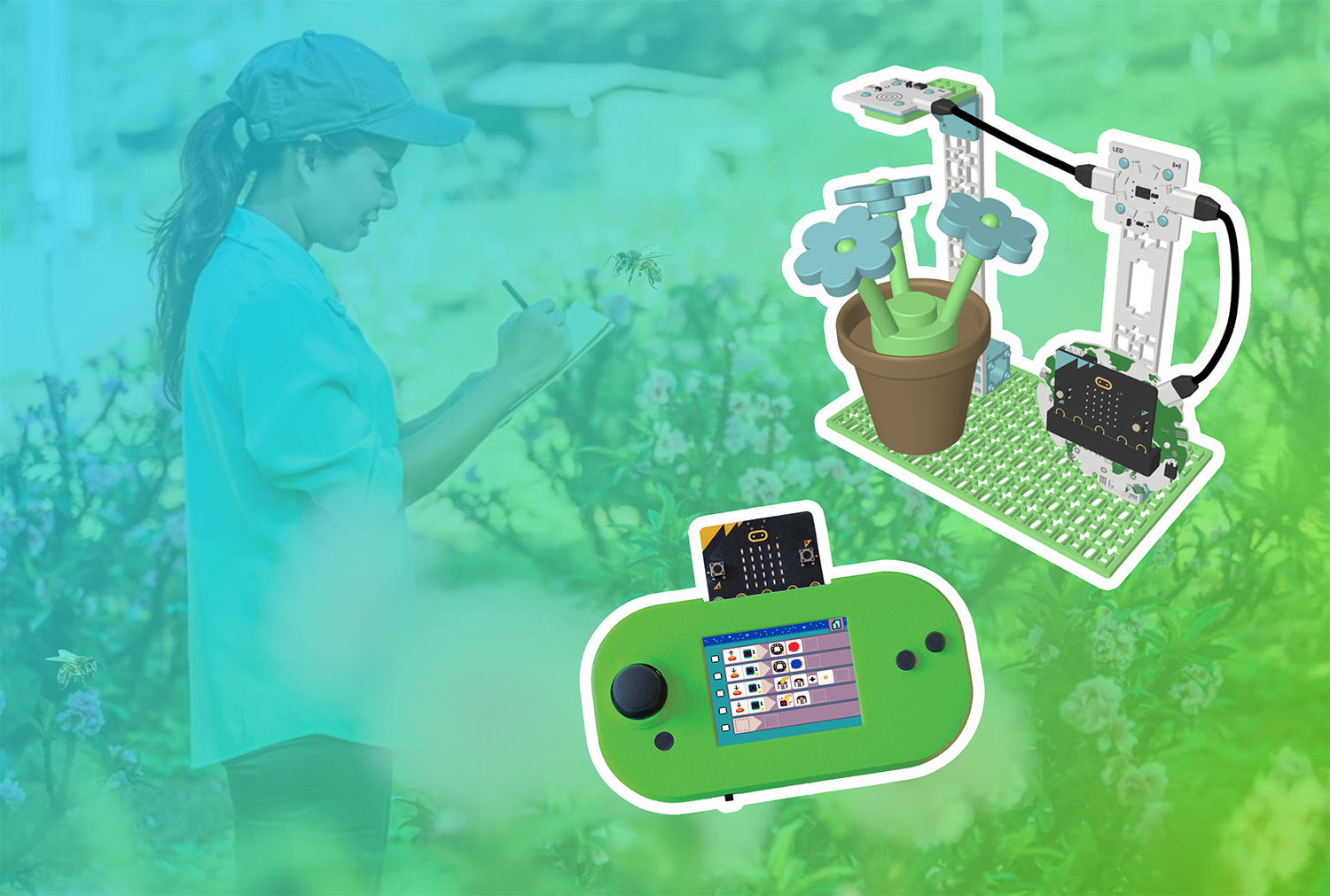
Build sensor-based projects tackling complex environmental challenges — from glacier tracking and sea level monitoring to solar energy systems and smart farming. Real data, real impact.

 MicroChat
A classroom-safe AI coding assistant built into MakeCode. Students use plain-language prompts to get coding help from AI, building prompting and critical thinking skills.


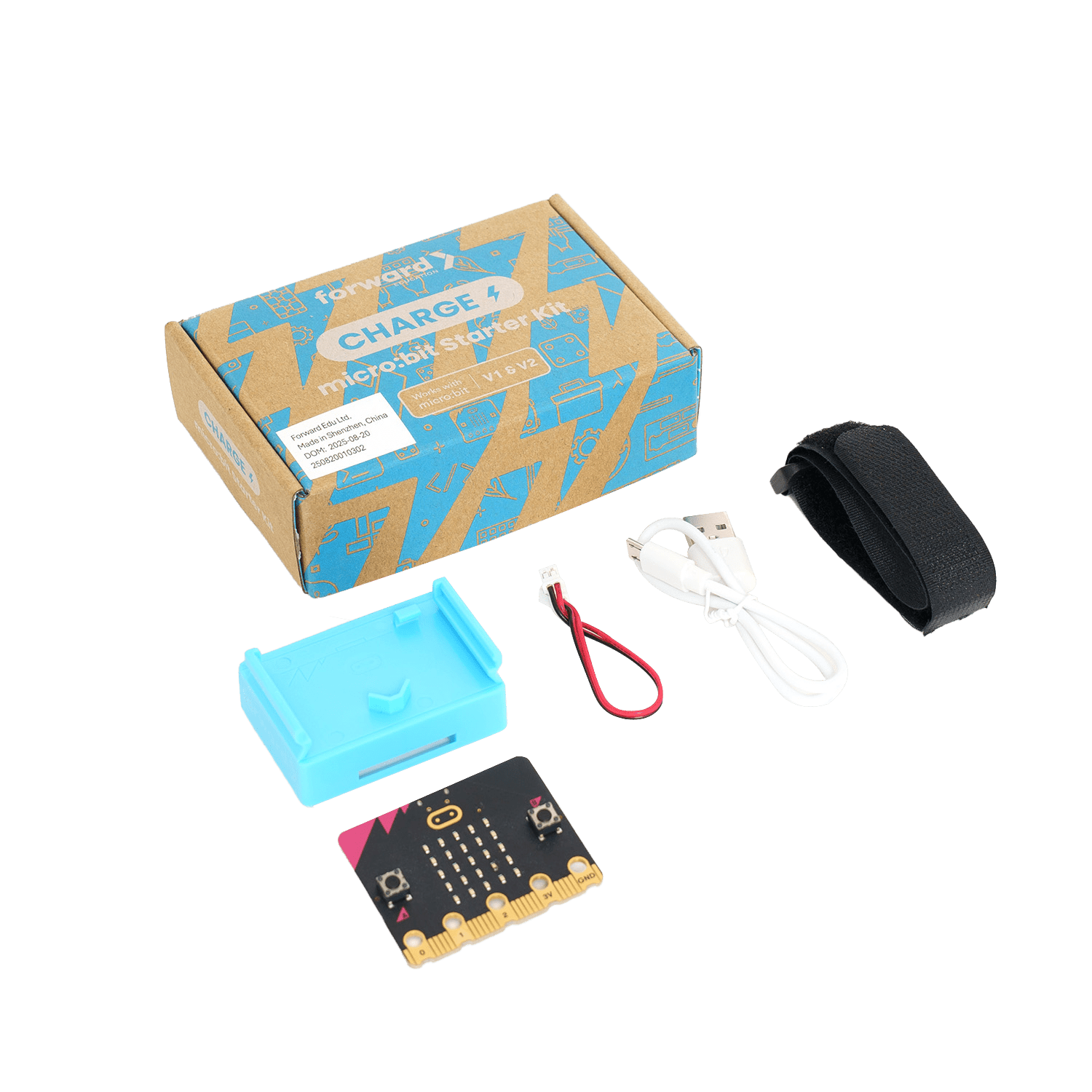 CHARGE for micro:bit
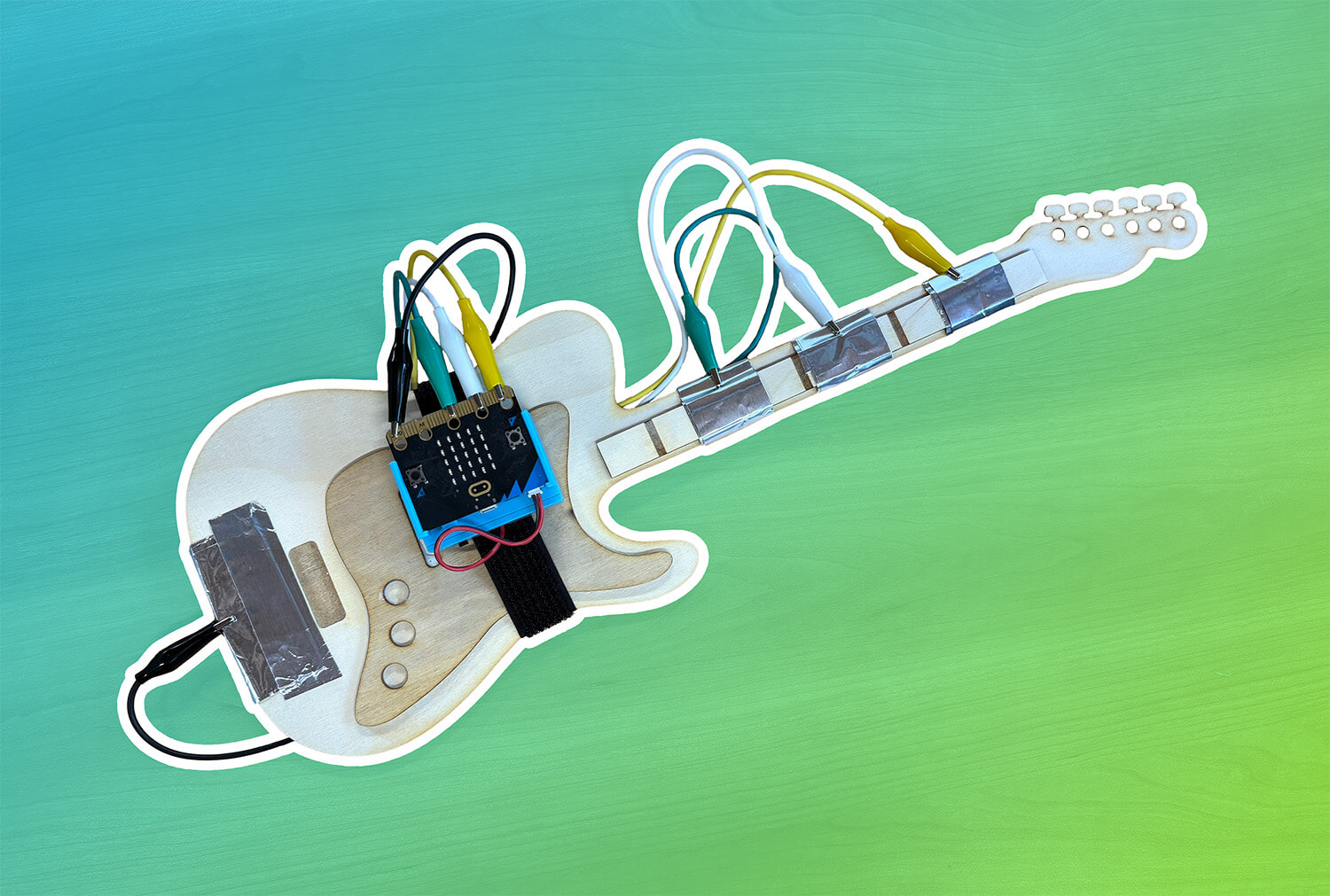
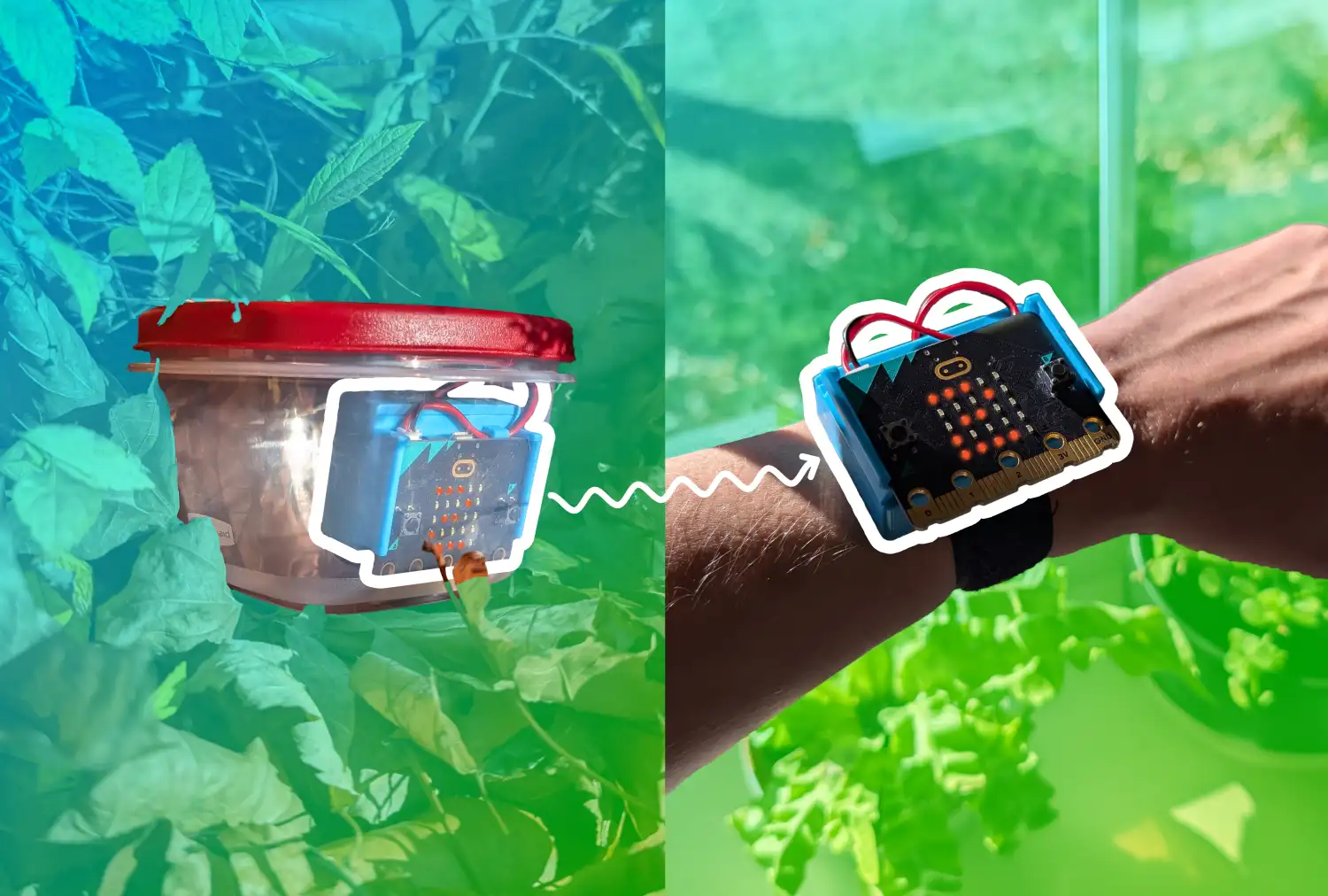
A rechargeable, wearable battery pack for micro:bit. Opens up outdoor tracking projects, wearable builds, and hands-on AI with CreateAI.


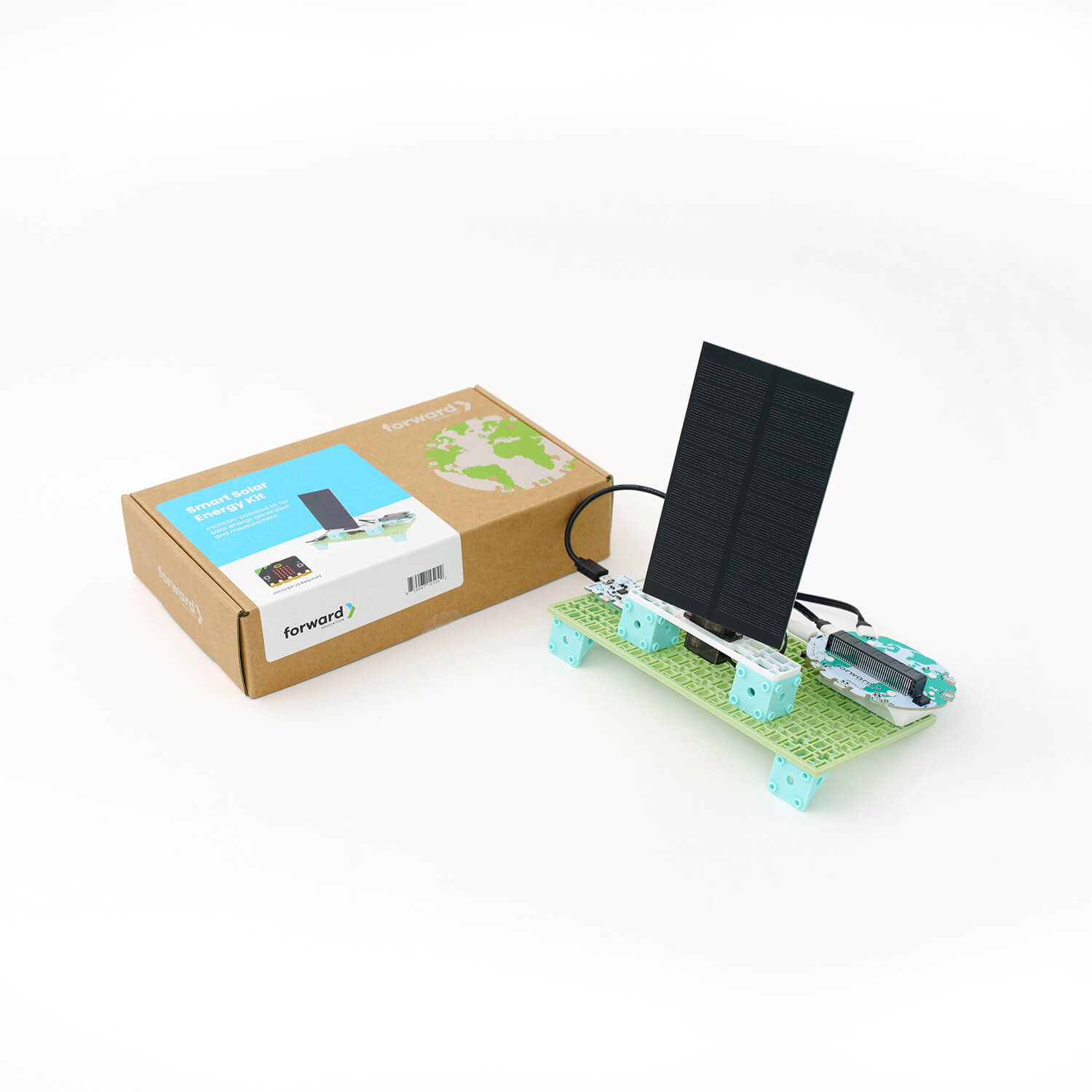 Smart Solar Energy Kit
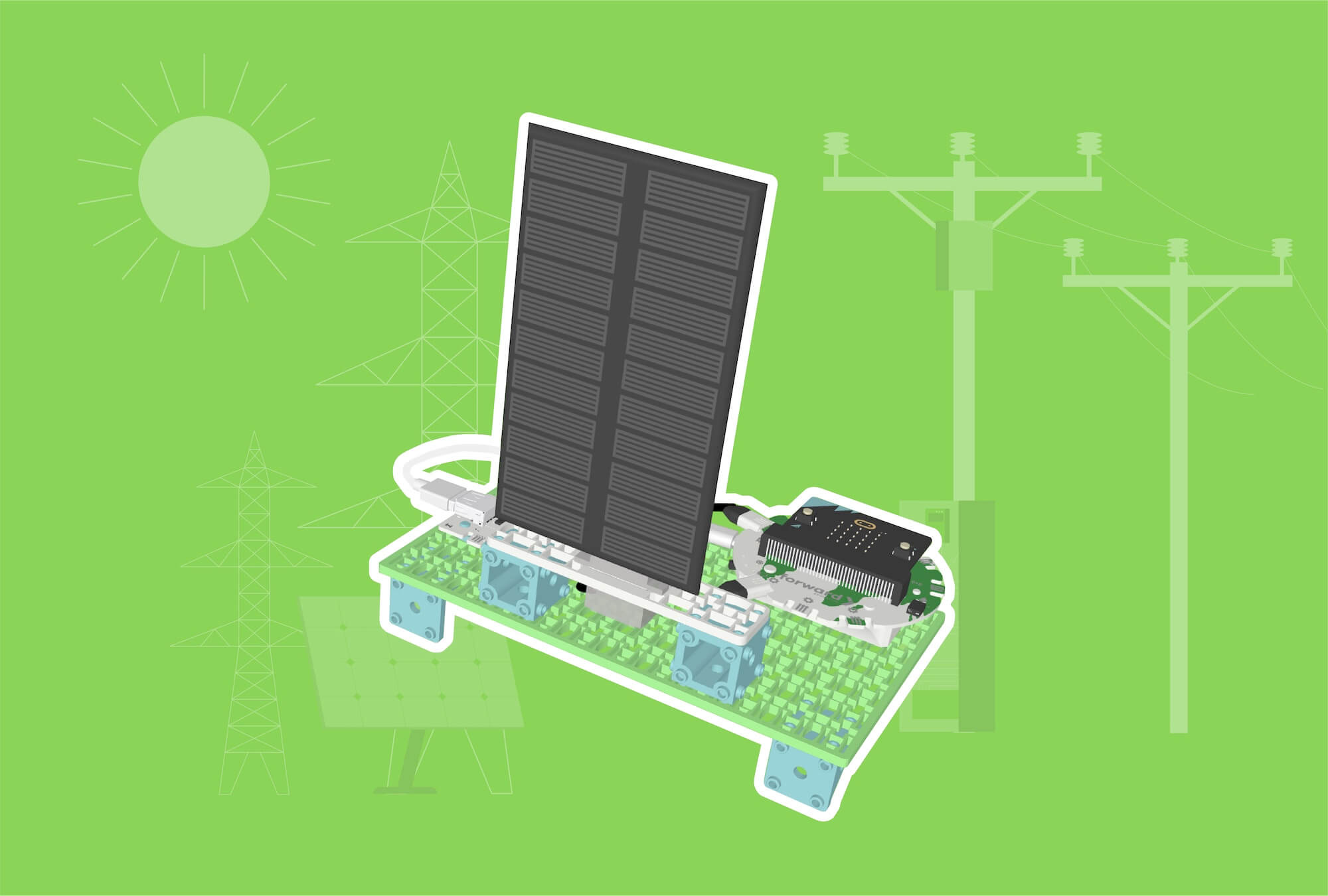
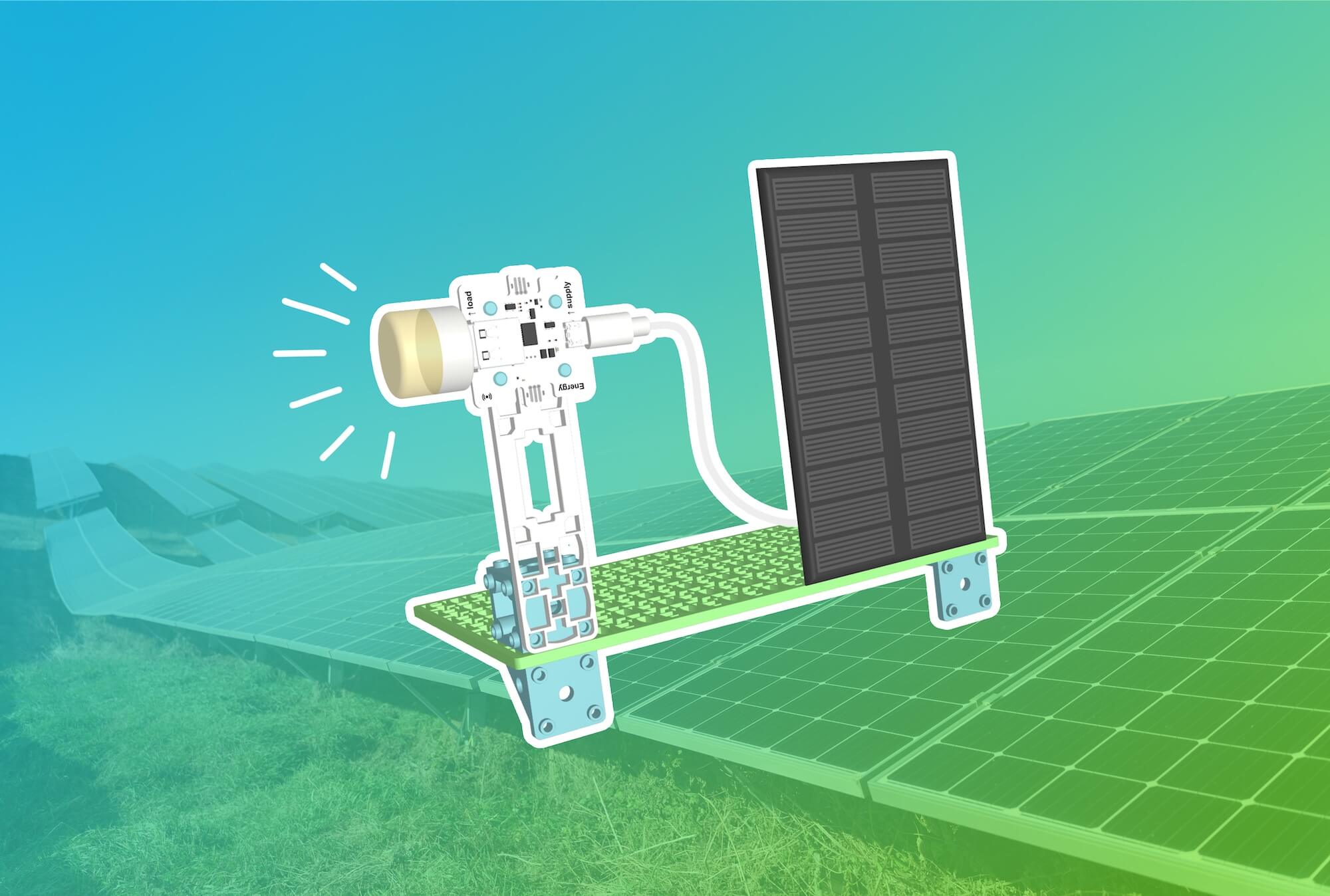
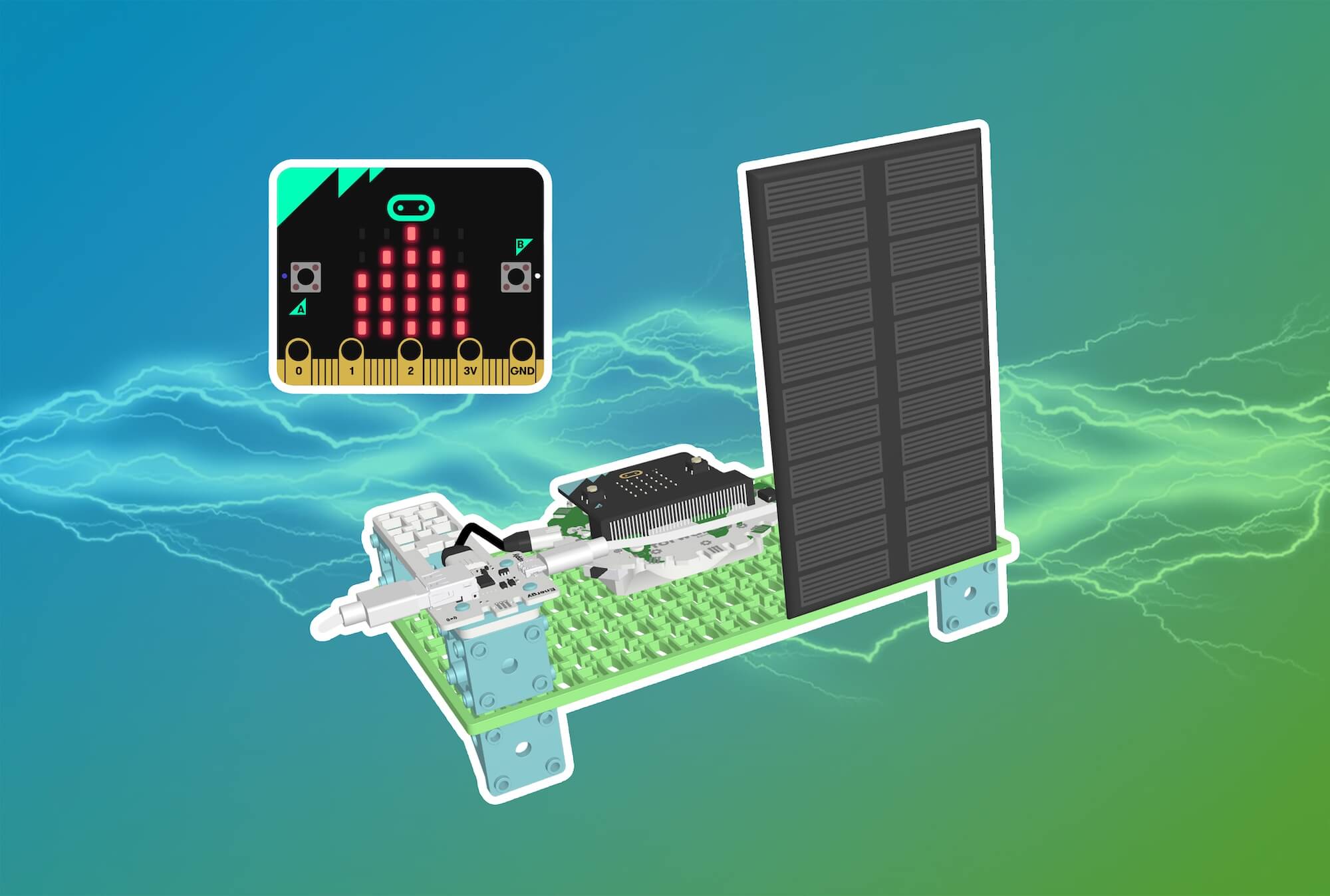
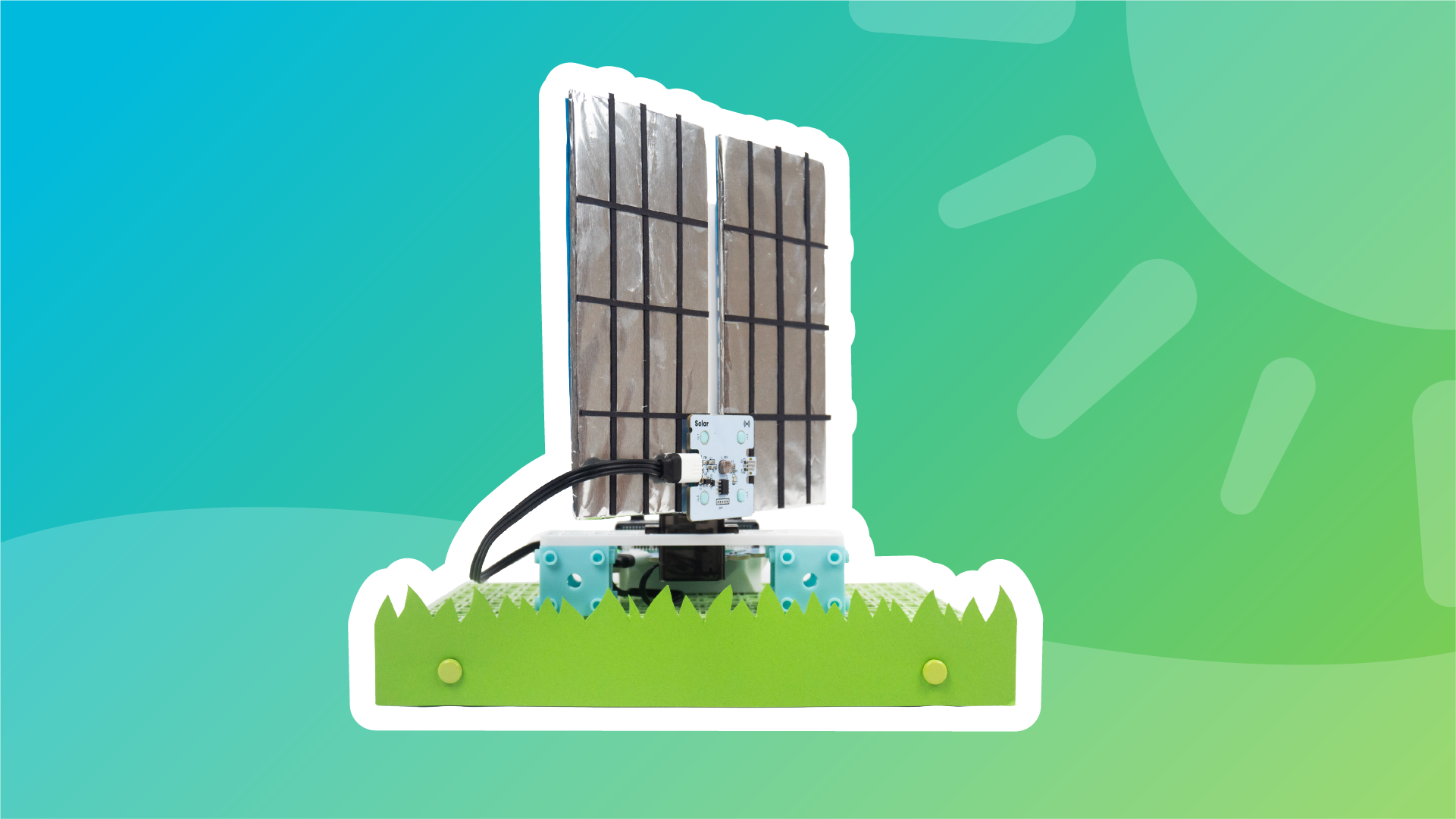
Build a real functioning solar panel system. Students measure voltage and current, write code that responds to live solar data, and explore the engineering behind renewable energy generation.

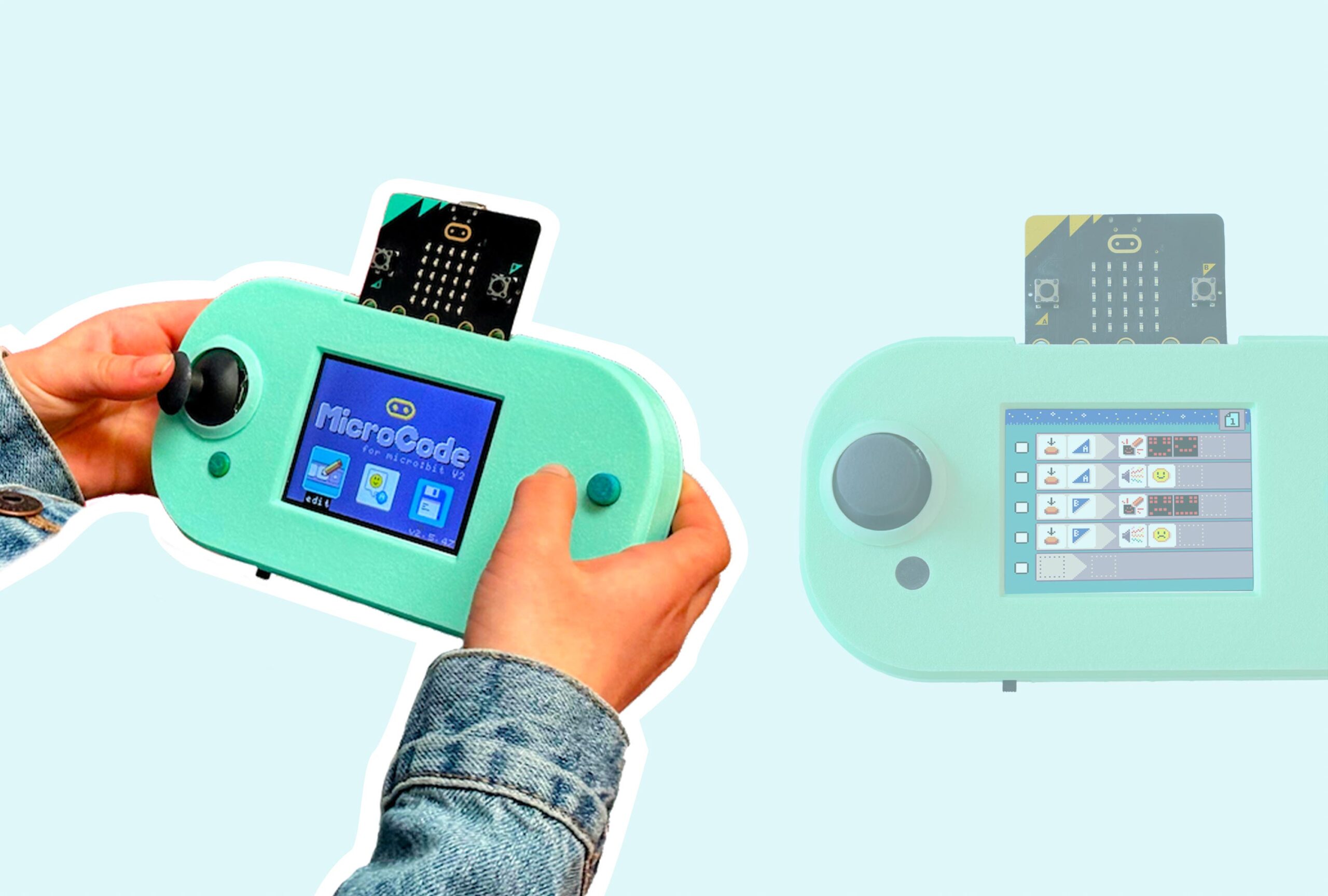
 CodeCTRL for micro:bit
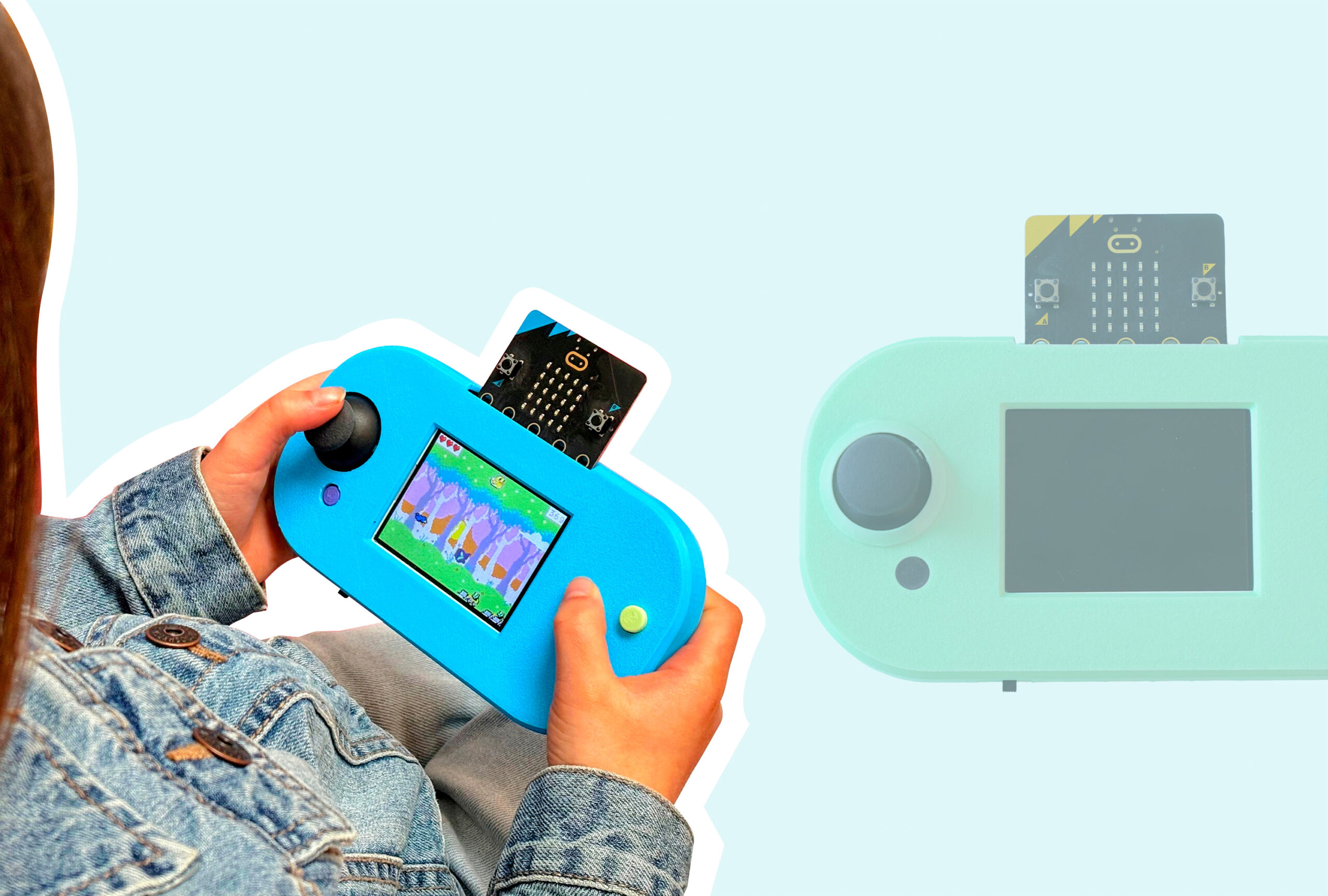
A handheld controller and display for micro:bit. Code with MicroCode's icon-based editor, design and play MakeCode Arcade games, and build interactive projects — no computer required.


Standards Alignment for Grades 6–8
Forward Education kits align to CSTA Computer Science standards, NGSS Science and Engineering Practices, and CCSS Math standards for grades 6–8. Here is a summary of the key strands covered.
Full Ecosystem Alignment
Explore strand-by-strand coverage across all Grades 6–8 products. Select a subject to see coverage details.
What Teachers Are Saying
Educators using Forward Education kits with middle school learners share what it looks like in their classrooms.
Ms. Chow, Science Teacher
“My grade 7 students were collecting real air quality data and analyzing it in class. They weren’t just learning about environmental science — they were doing it. The lessons made the connection to NGSS practices seamless.”
Mr. Osei, STEM Coordinator
“The CreateAI projects completely changed how my students think about AI. They trained their own models, saw where bias came in, and had real conversations about what that means. I’ve never seen them this engaged.”
Ms. Reyes, Technology Teacher
“What I love is that the kits scale. Students who finish early can go deeper and design their own extensions. The Use-Modify-Create structure means every student is challenged at the right level.”

IMPACT STORY
Students Used Coding and Data to Grow Real Plants
At Mother St. Bride Catholic Elementary School, students built and programmed automated watering systems using the Climate Action Kit. They explored moisture sensors, wrote loops to control a pump, and watched their code keep plants alive. The project connected coding to food security and the UN Sustainable Development Goals.
Frequently Asked Questions
The kits are built around open-ended design challenges that give students real engineering experience. Use-Modify-Create scaffolding ensures every learner has an entry point, and the projects connect to real-world problems in climate, health, and data science.
Yes. Students use micro:bit sensors to collect live temperature, light, solar output, and motion data, then graph and analyze it. Math and science standards become concrete when the data is real.
Yes. Students train gesture-recognition models using CreateAI, explore algorithmic bias, and investigate the ethics of automation, all hands-on with a micro:bit. No prior AI experience needed.
Kits are built around the BBC micro:bit and include sensors for temperature, light, and motion. The Coding for Climate Kit and Robotics Kit add motors, chassis components, and additional electronics for more complex builds.
The kits align to CSTA Computer Science Standards, NGSS Science and Engineering Practices, CCSS Math Standards, and UN Sustainable Development Goals. Full alignment documentation is available on this page.
No. All lesson plans include teacher guides, discussion prompts, and extension activities. The MakeCode platform handles the coding environment, so you can focus on facilitating the learning.
Projects connect coding to climate science, health, engineering, and social studies. A student might code a soil moisture sensor in science class and then use the same data set in a math lesson on graphing and statistics.


