


Built for Grades 6–8
Middle school students are ready for open-ended challenges and real engineering thinking. Forward Education kits give them the tools to collect real data, build AI models, and tackle cross-curricular problems that connect coding to the world outside the classroom.
Défis de conception ouverts
Les élèves définissent le problème, prototypent des solutions et itèrent. L'échafaudage Utiliser-Modifier-Créer offre à chaque apprenant un point d'entrée et la possibilité d'aller plus loin.
Collecte de données en situation réelle
Recueillez, représentez graphiquement et analysez les données de capteurs en temps réel — température, lumière, production solaire, mouvement. Les concepts mathématiques et scientifiques deviennent concrets lorsque les données sont réelles.
IA et apprentissage automatique
Entraînez des modèles de reconnaissance gestuelle avec CreateAI, explorez les biais algorithmiques et étudiez l'éthique de l'automatisation – de manière pratique, avec un micro:bit.
Projets interdisciplinaires
Reliez le codage à la science du climat, à la santé, à l'ingénierie et aux sciences sociales. Les projets s'alignent sur les ODD et s'appuient sur les pratiques NGSS, les normes CSTA et les mathématiques CCSS.
Products and Lessons for Grades 6–8
Each kit below pairs with curriculum-aligned lessons from learn.forwardedu.com. Lessons are designed for grades 6–8, with open-ended design challenges, real sensor data, and AI and machine learning projects.
 Coding for Good Kit
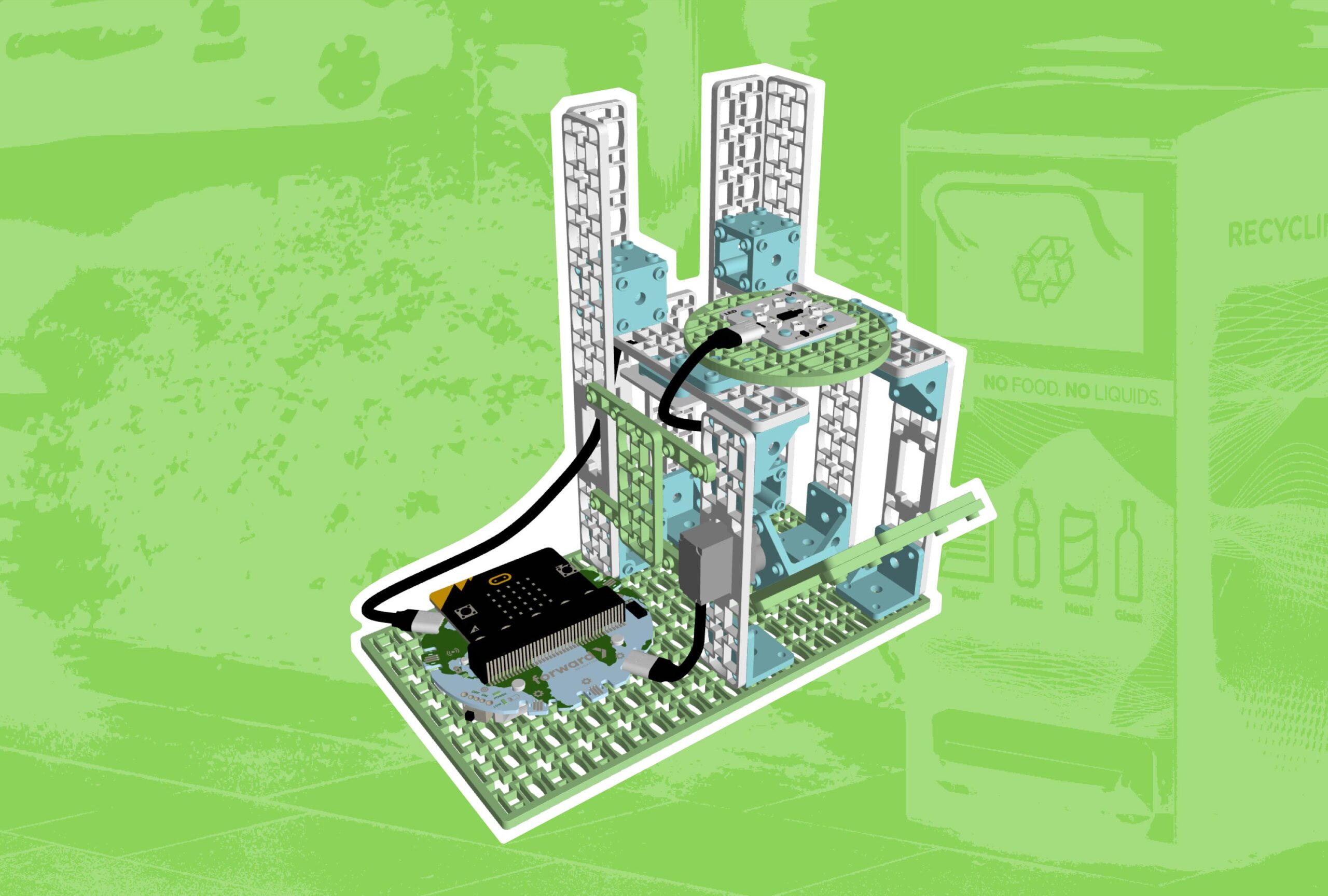
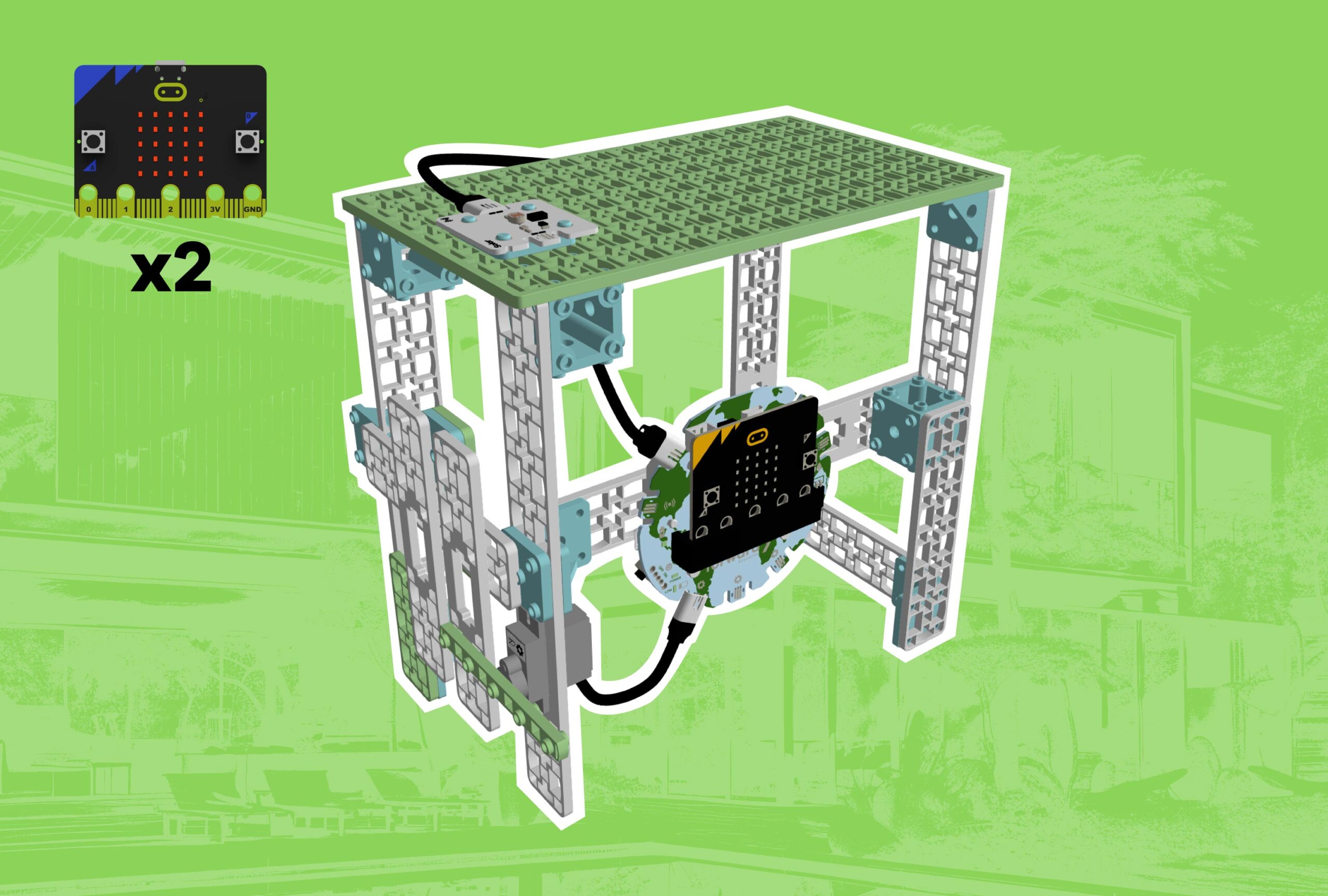
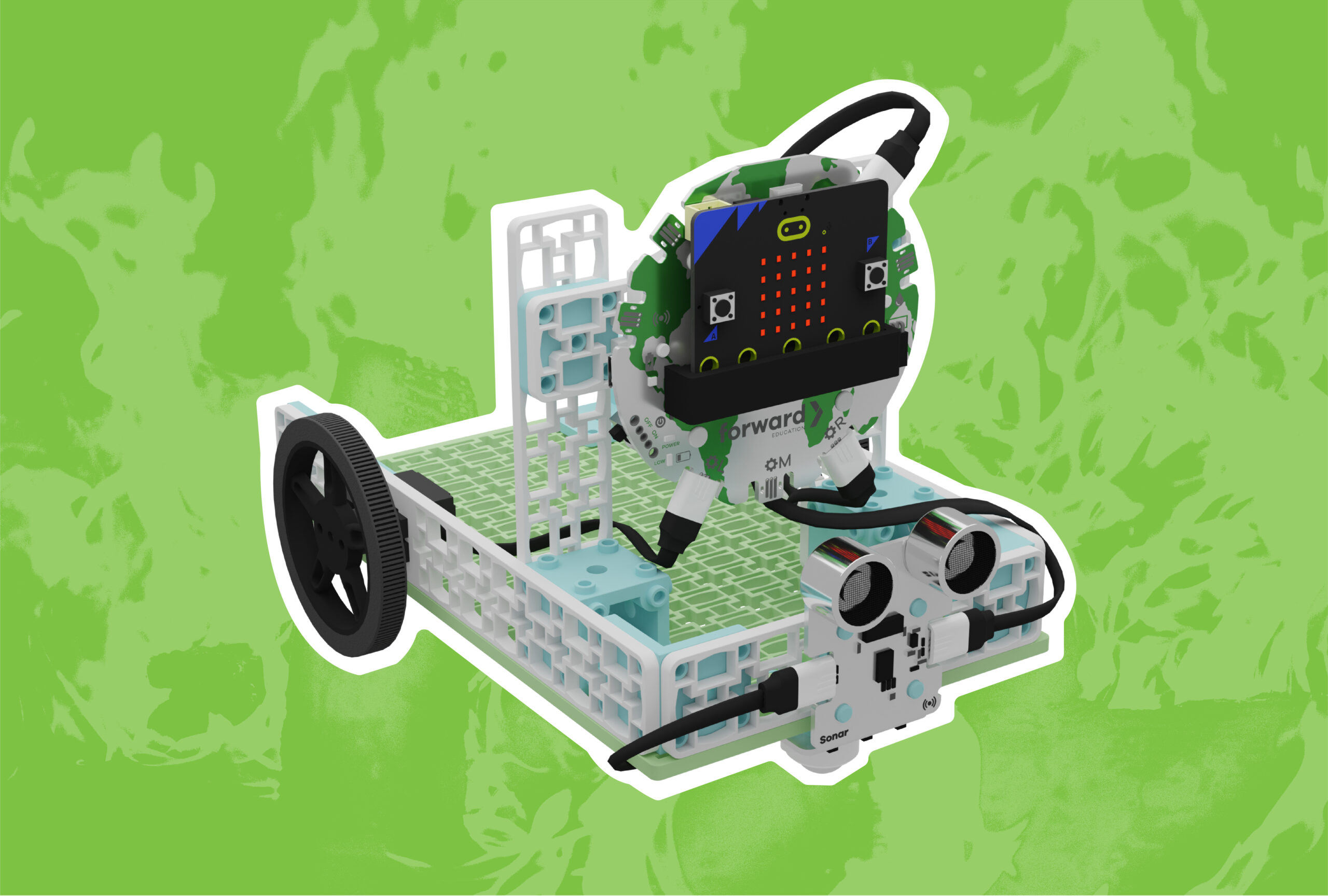
Design and code solutions to real-world challenges — from smart garbage bins to wildfire detection systems. Projects build systems thinking and engineering design skills for grades 6–8.

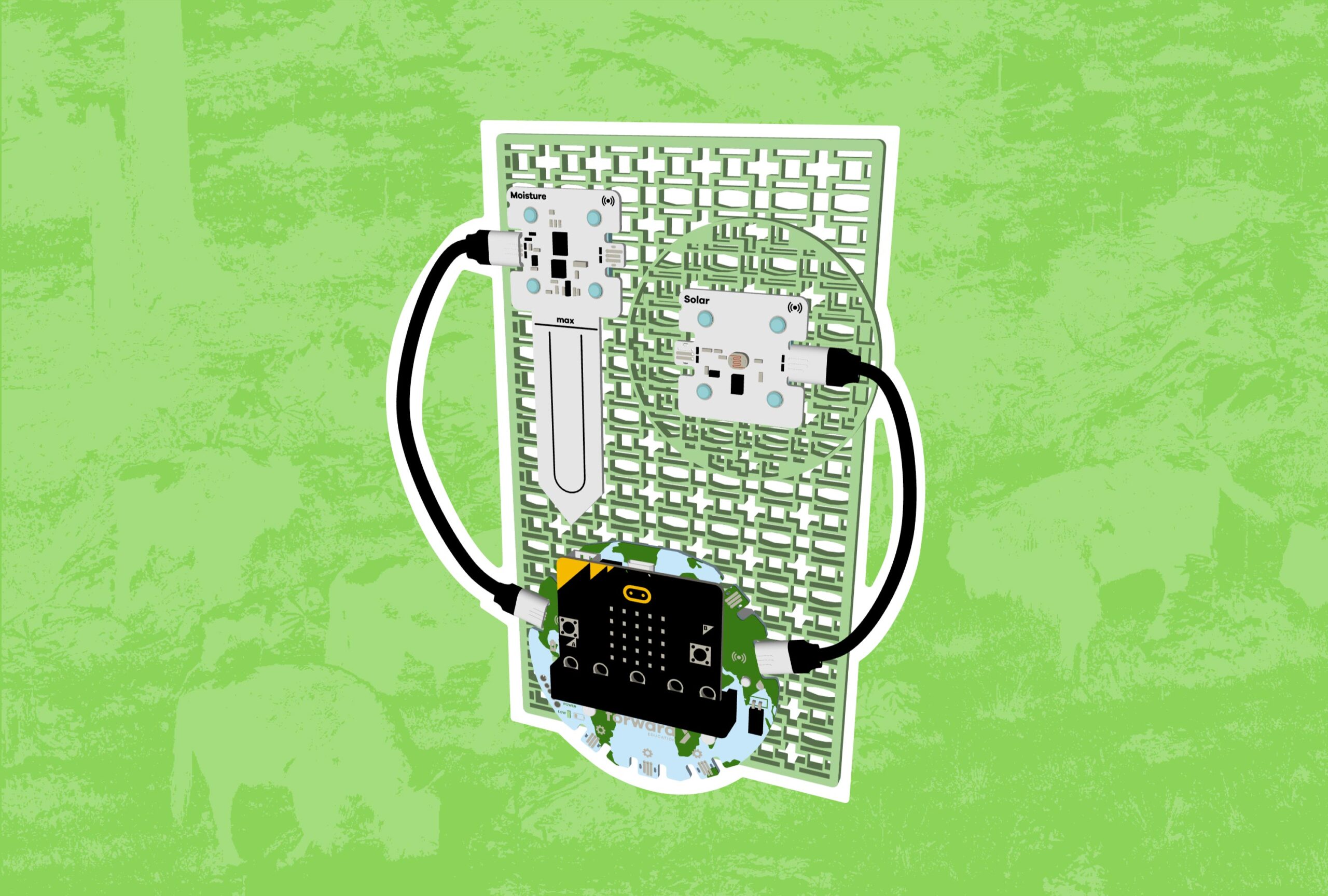
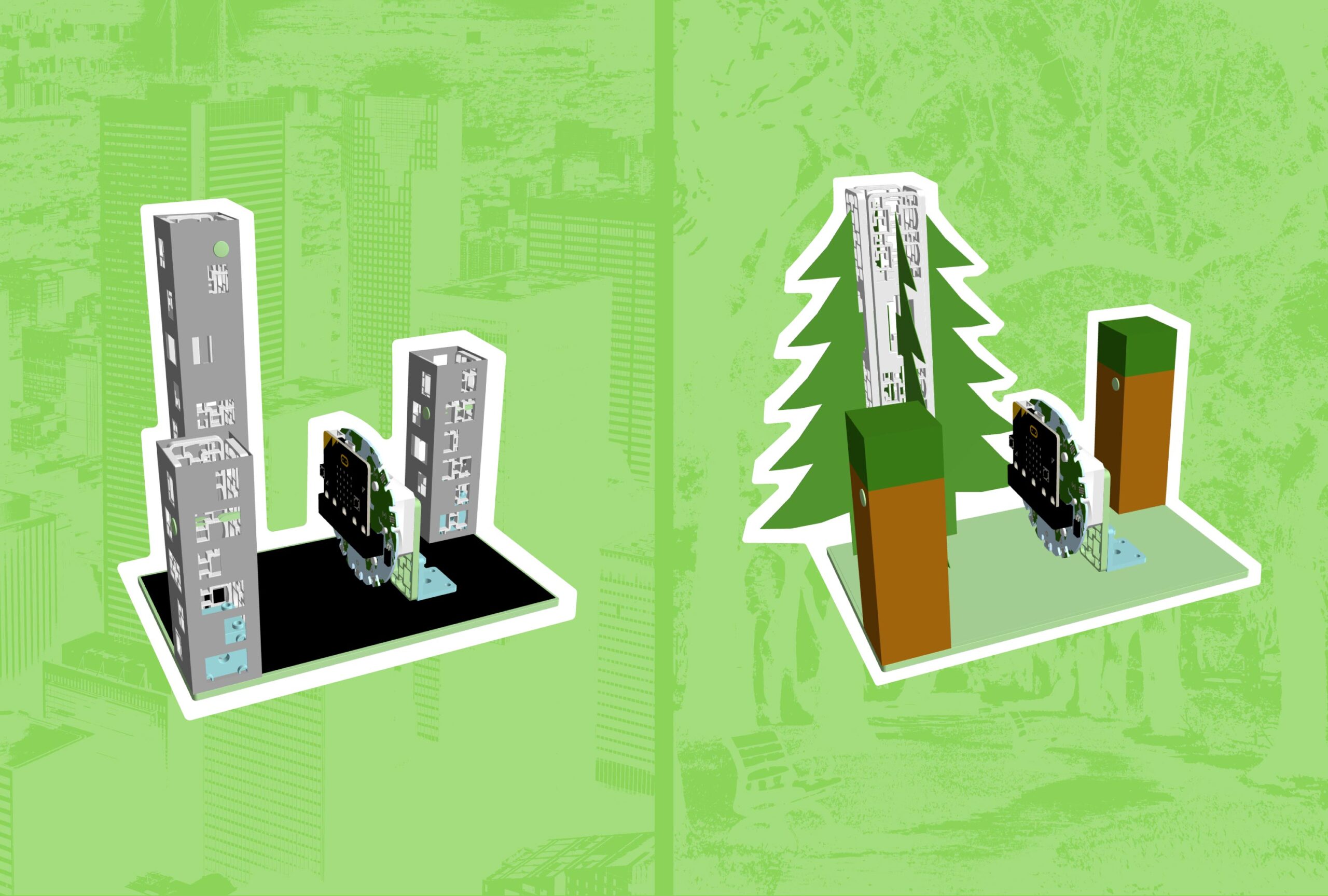
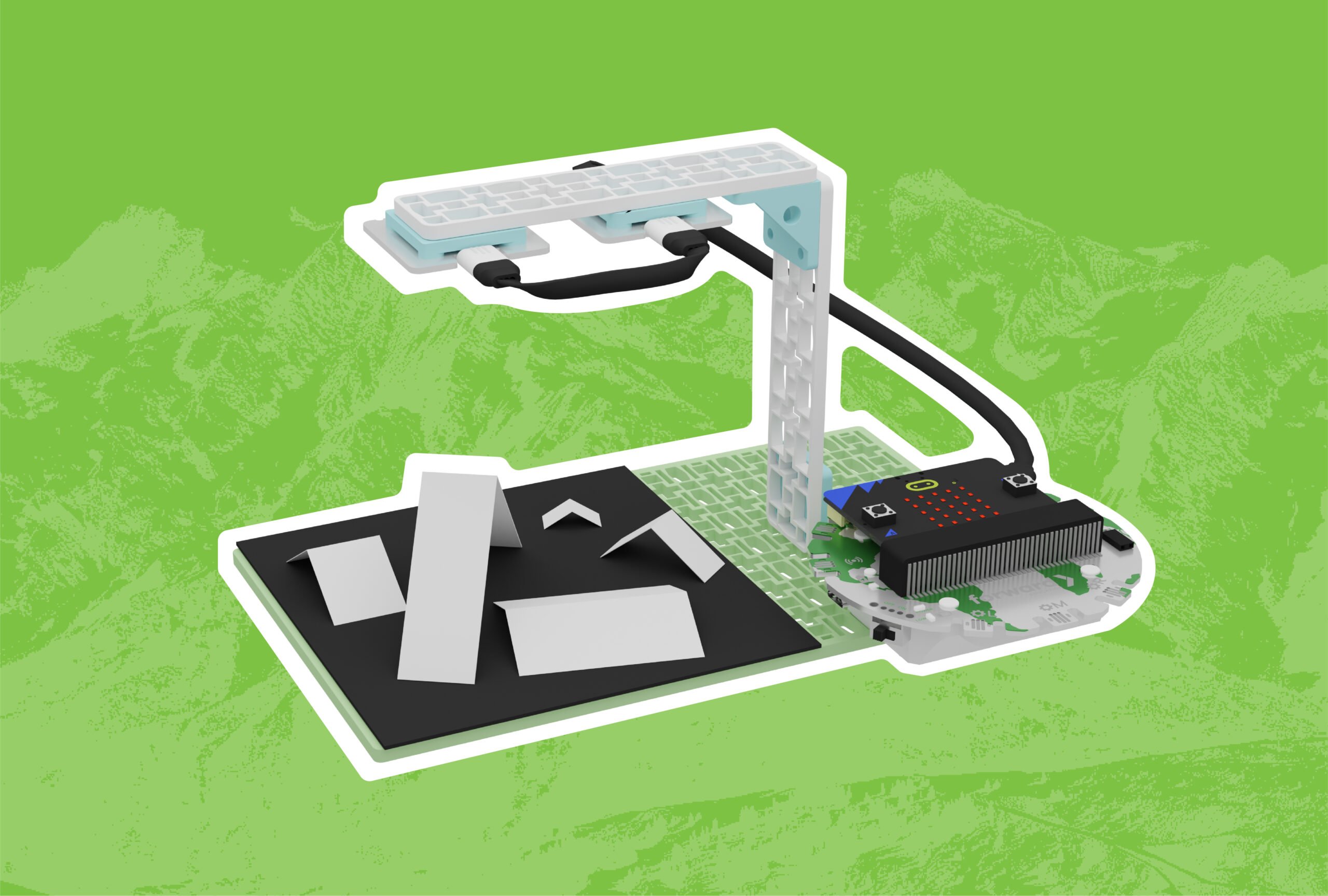
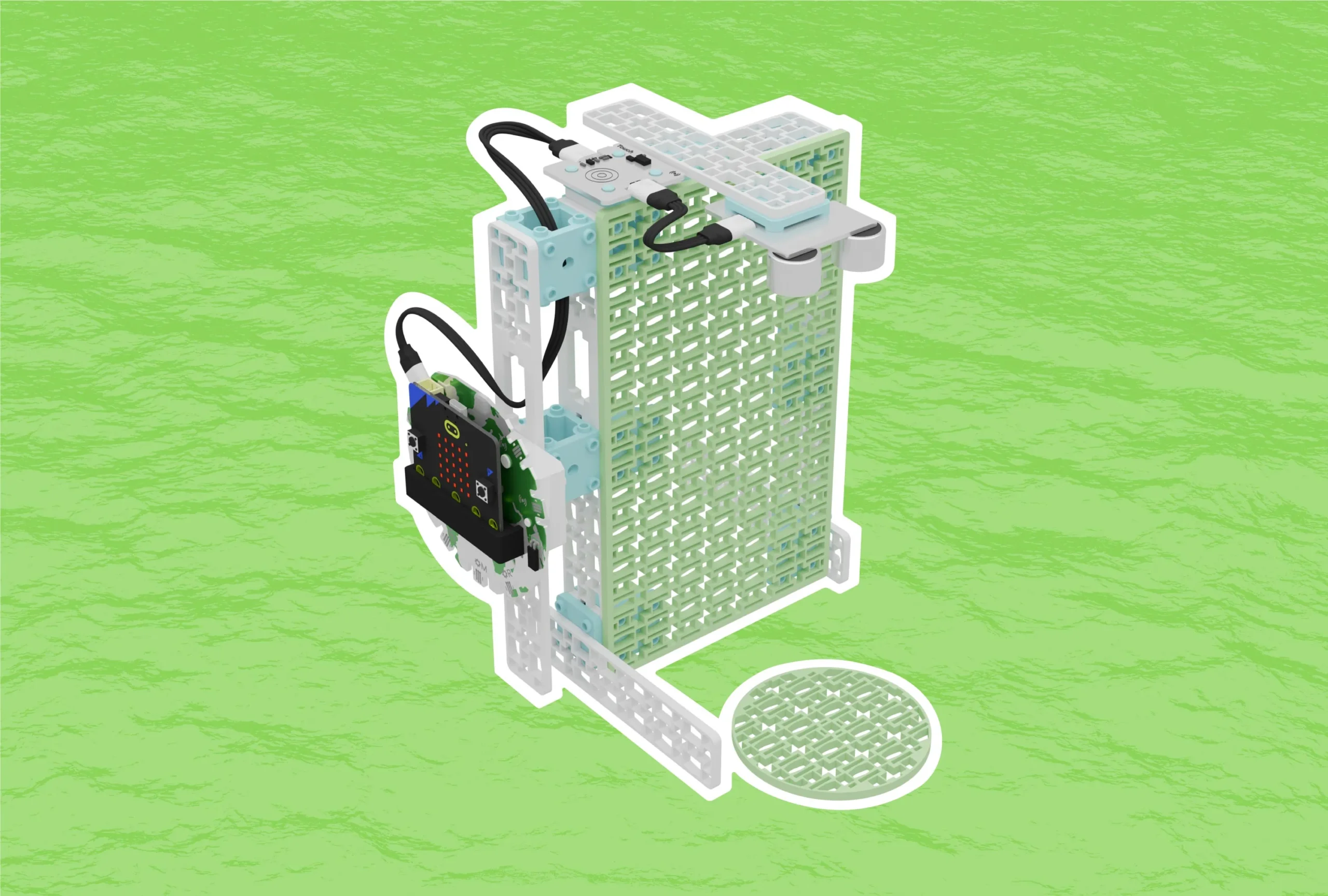
 Climate Action Kit
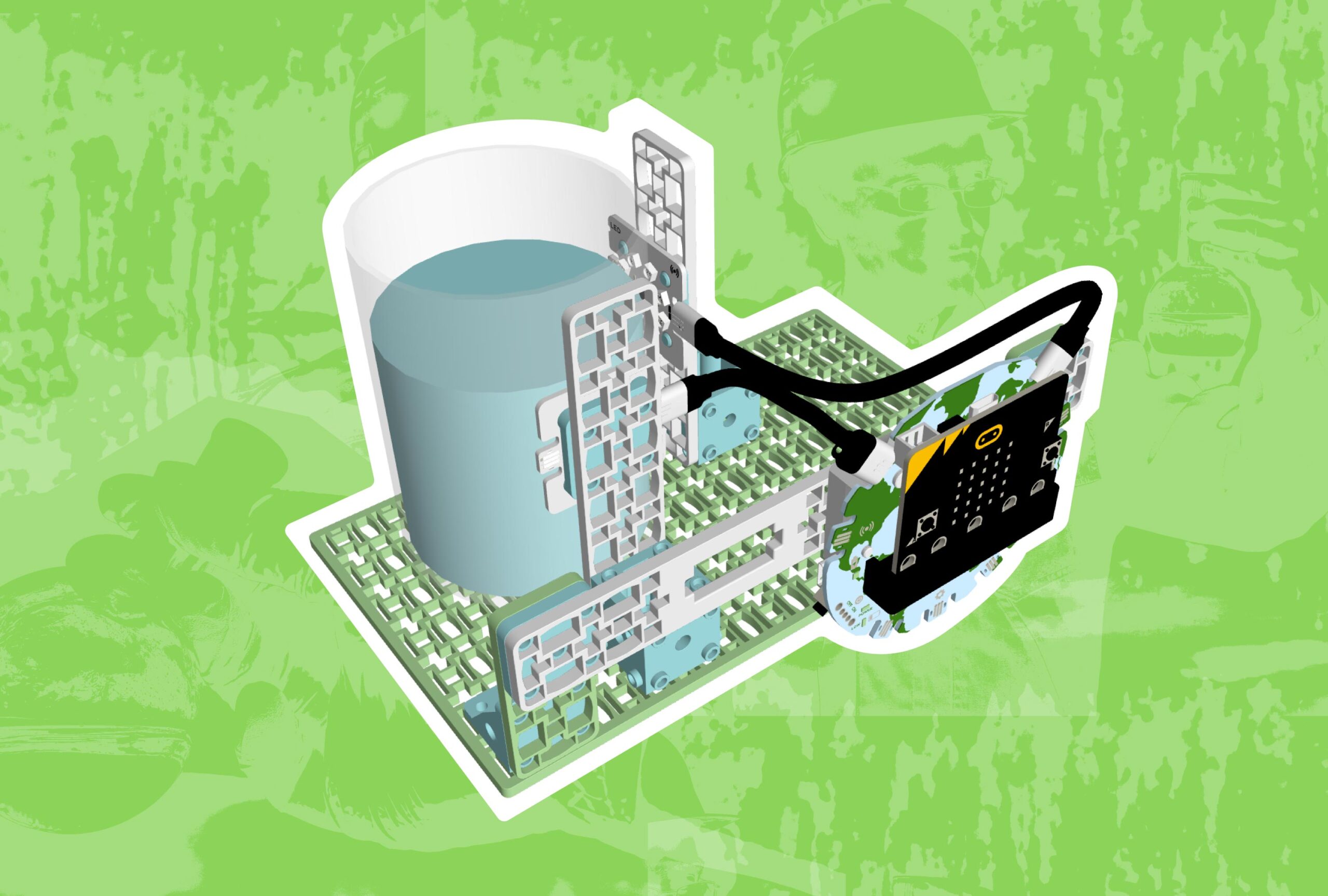
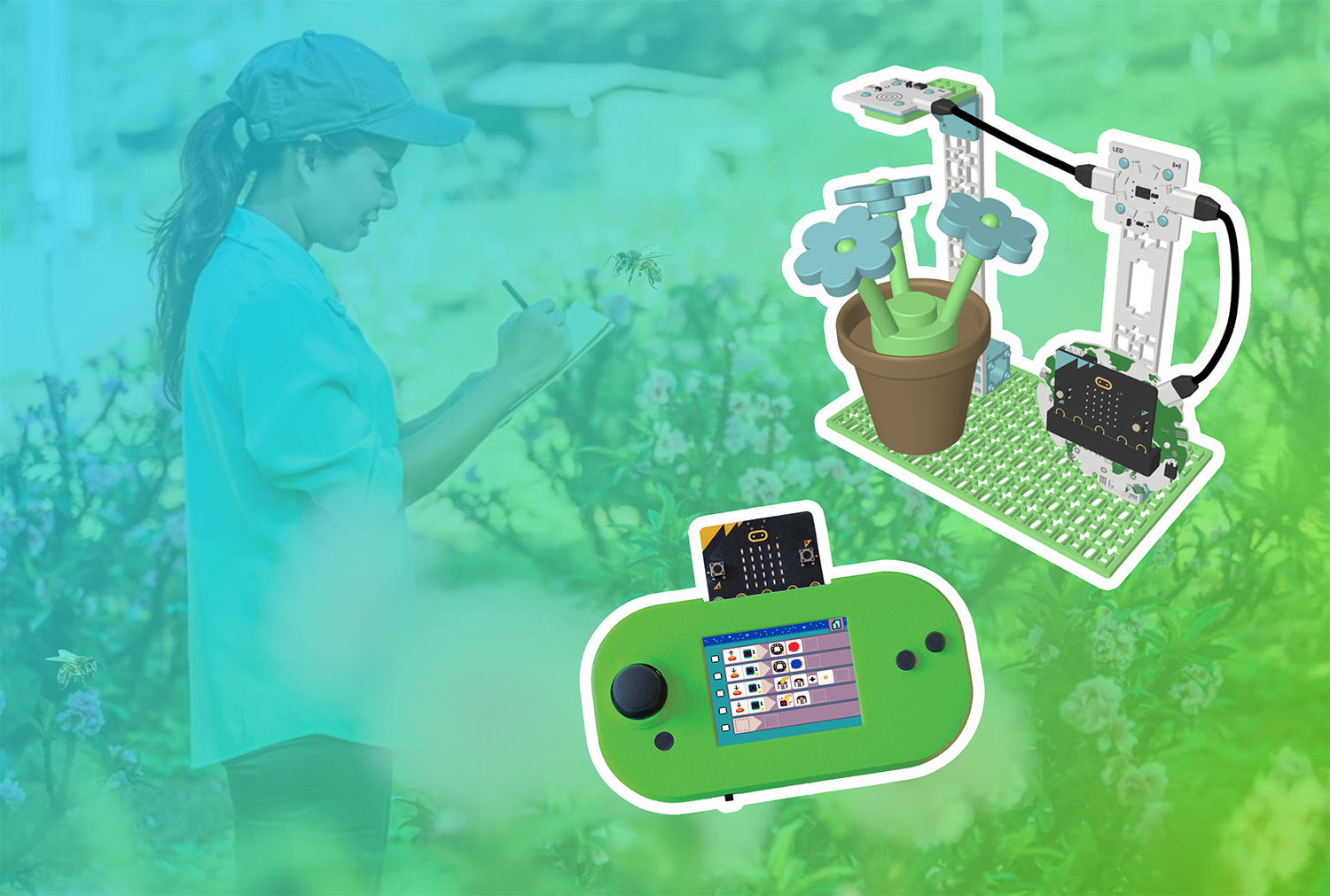
Build sensor-based projects tackling complex environmental challenges — from glacier tracking and sea level monitoring to solar energy systems and smart farming. Real data, real impact.

 MicroChat
A classroom-safe AI coding assistant built into MakeCode. Students use plain-language prompts to get coding help from AI, building prompting and critical thinking skills.


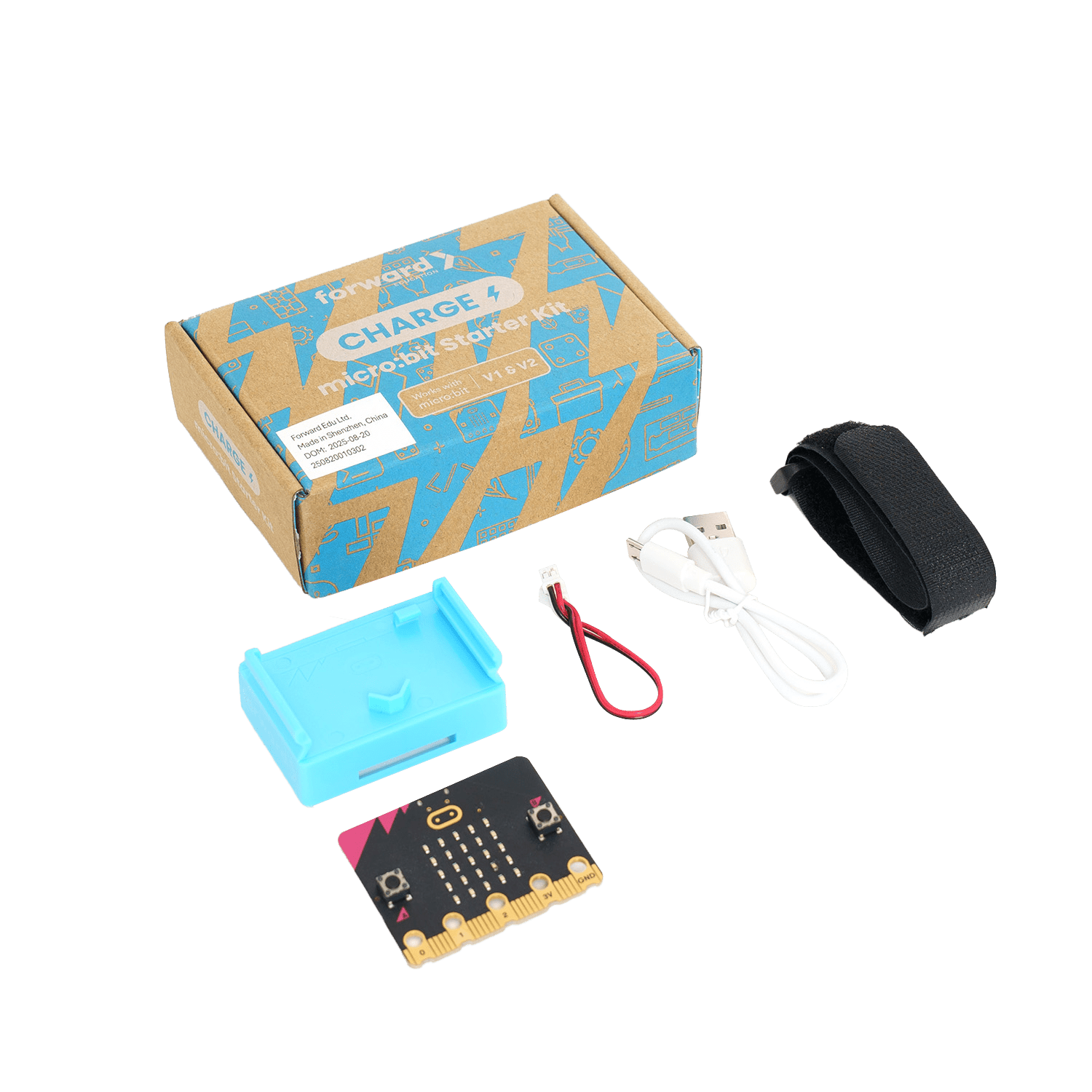 CHARGE for micro:bit
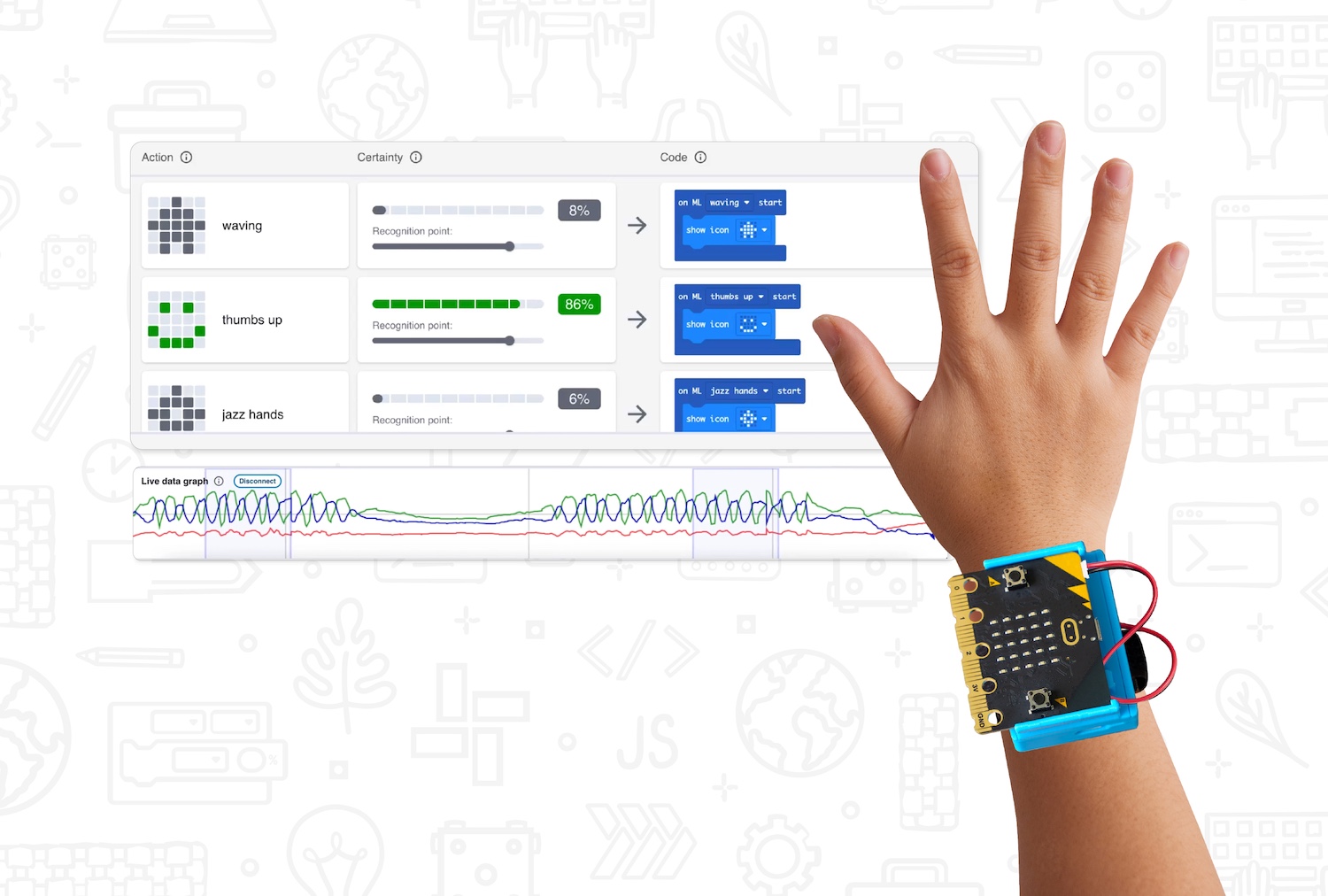
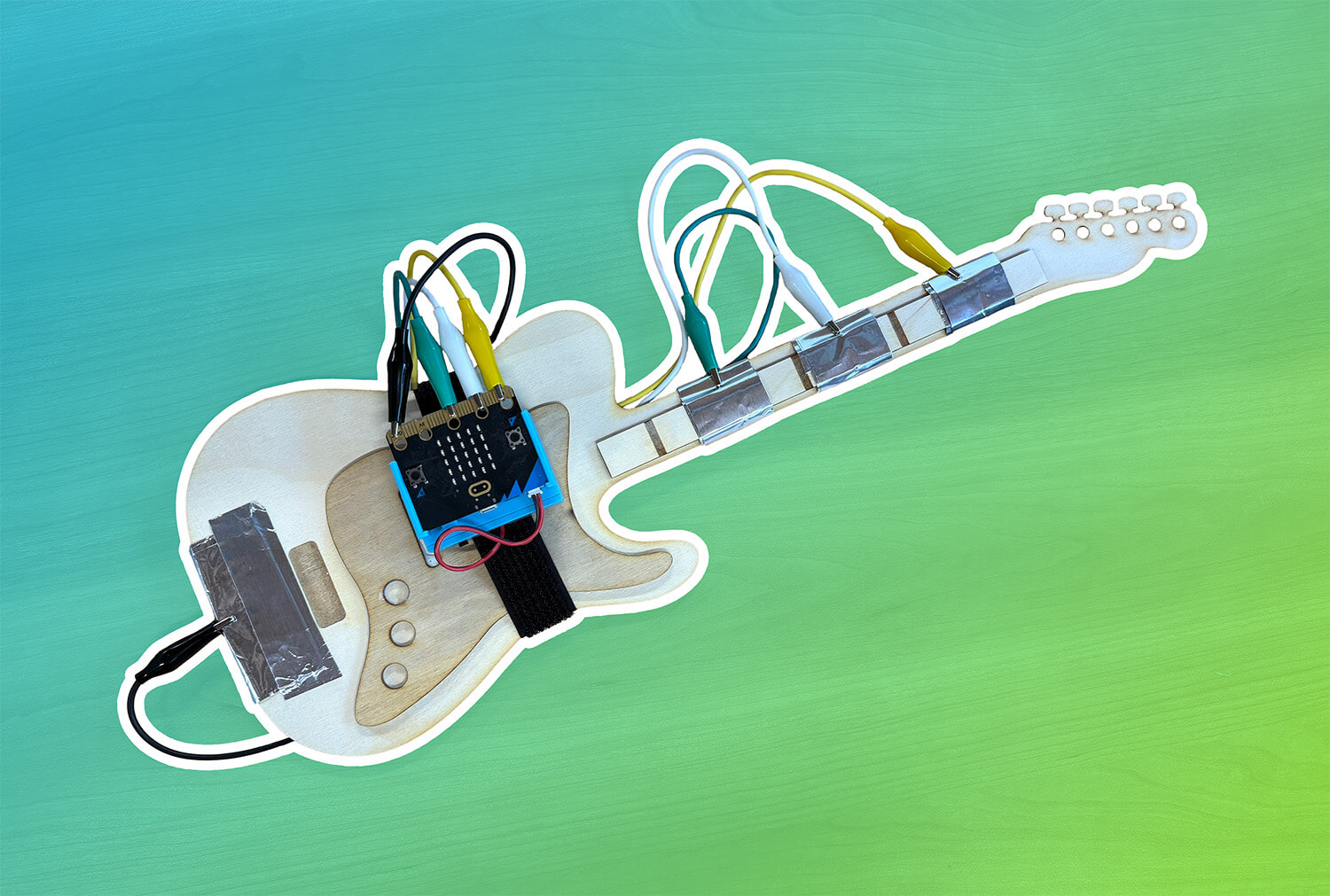
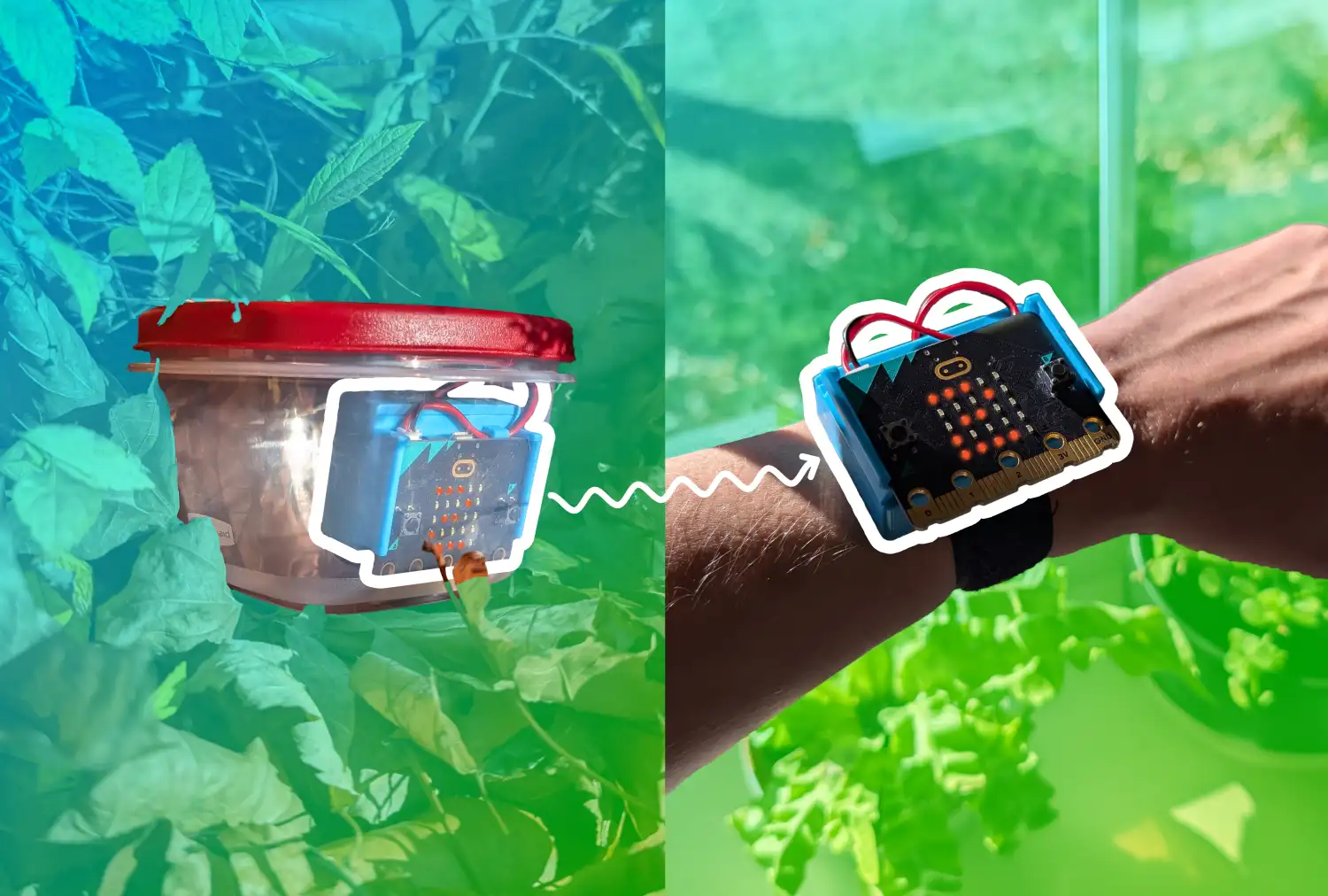
A rechargeable, wearable battery pack for micro:bit. Opens up outdoor tracking projects, wearable builds, and hands-on AI with CreateAI.


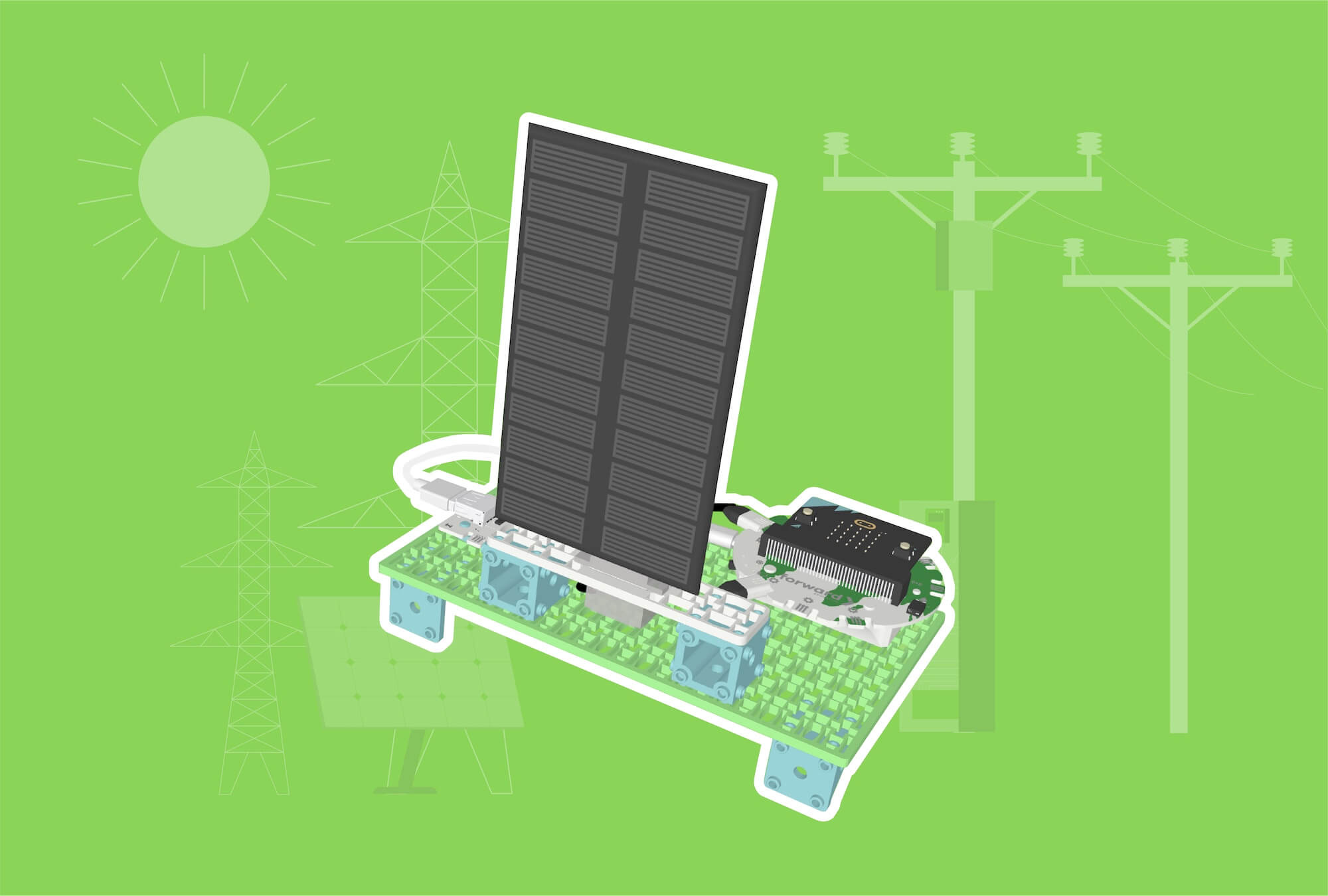
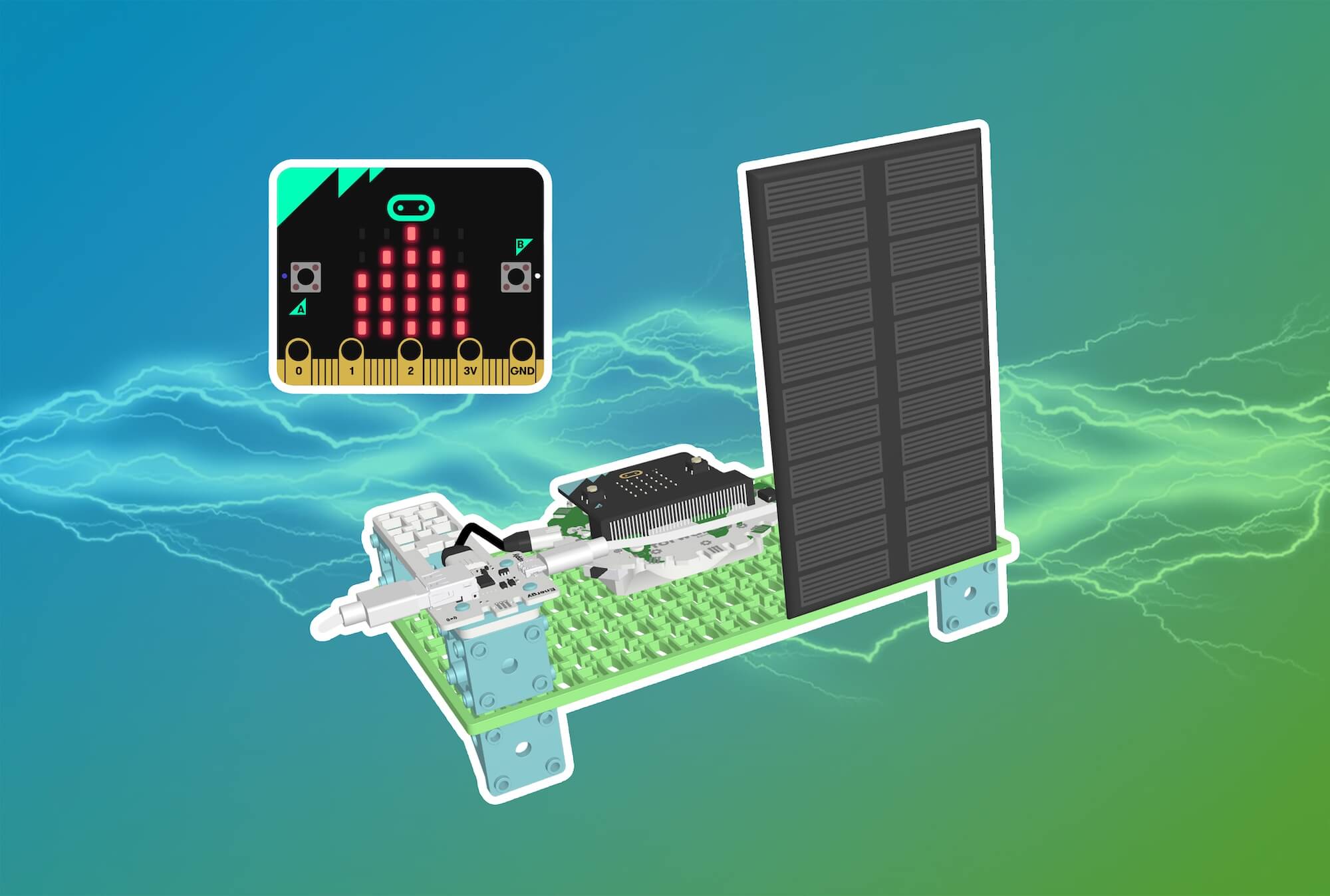
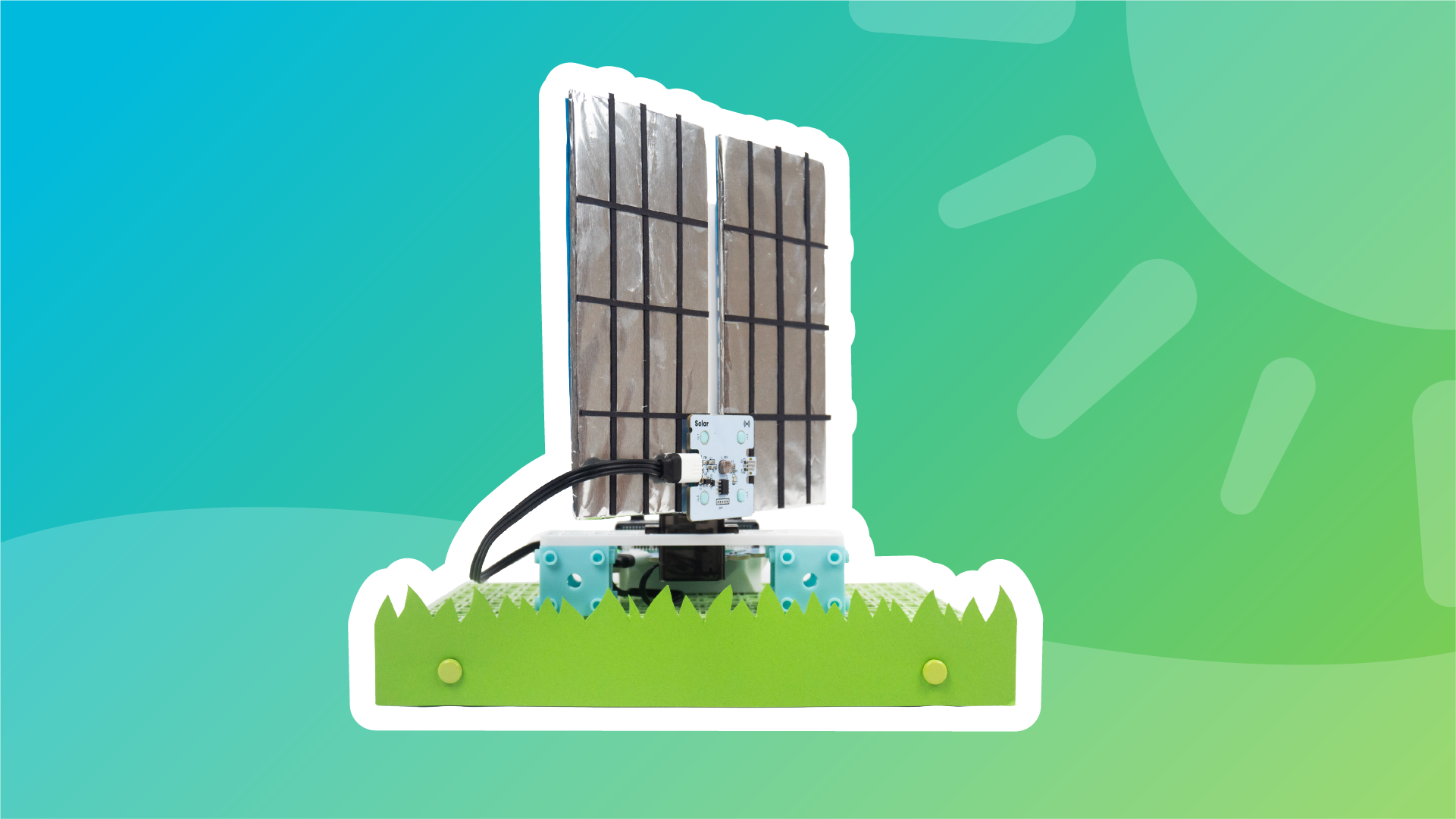
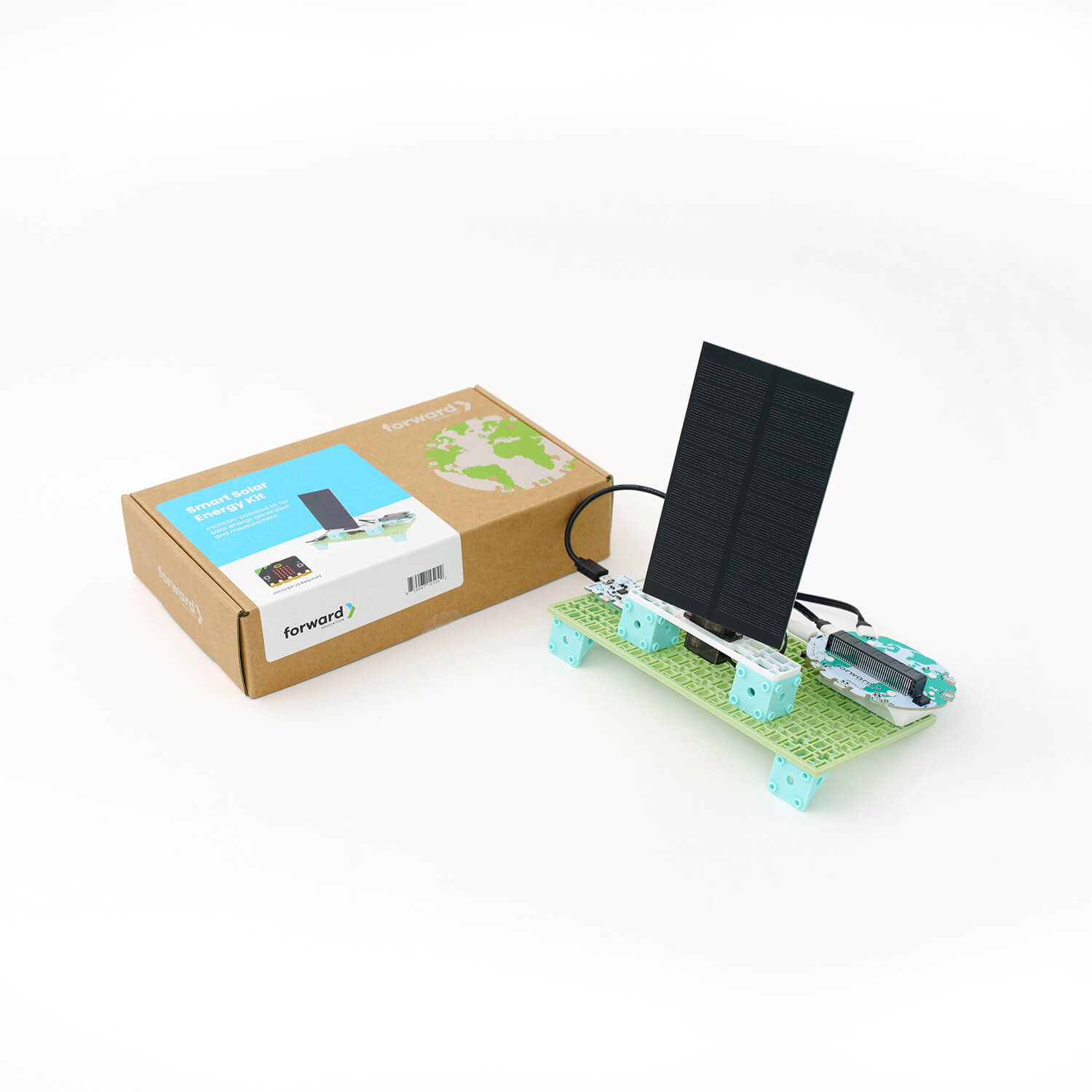 Smart Solar Energy Kit
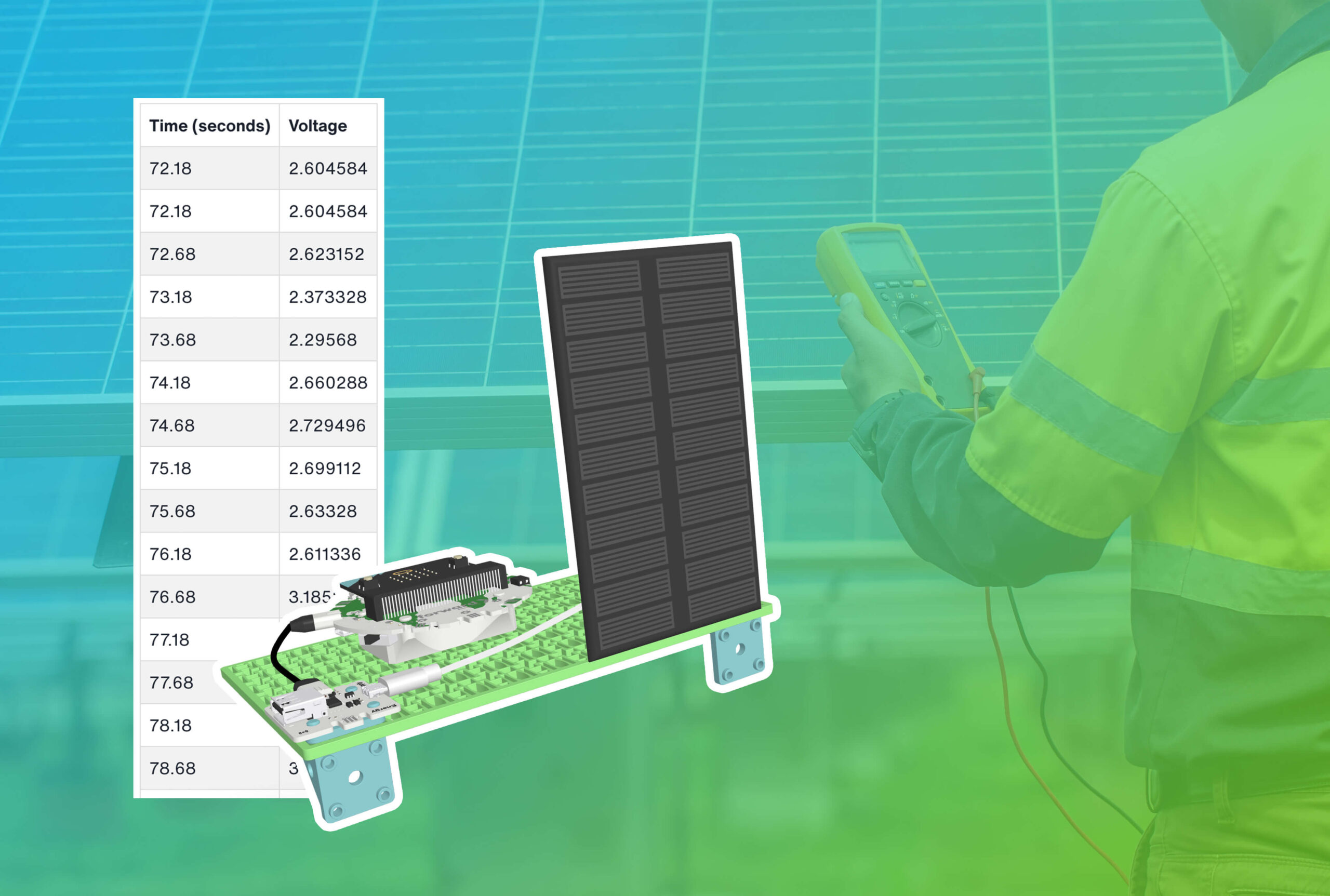
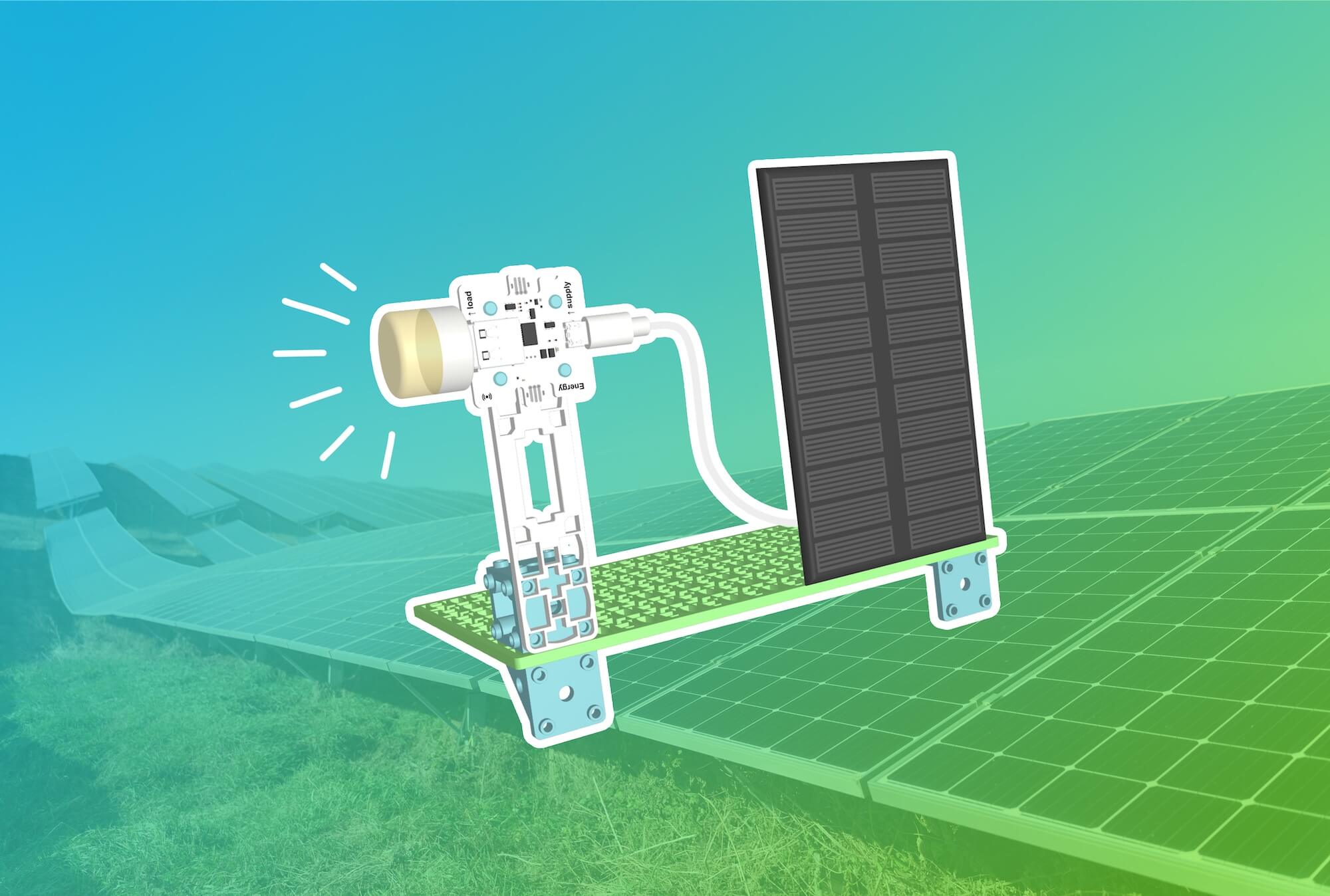
Build a real functioning solar panel system. Students measure voltage and current, write code that responds to live solar data, and explore the engineering behind renewable energy generation.

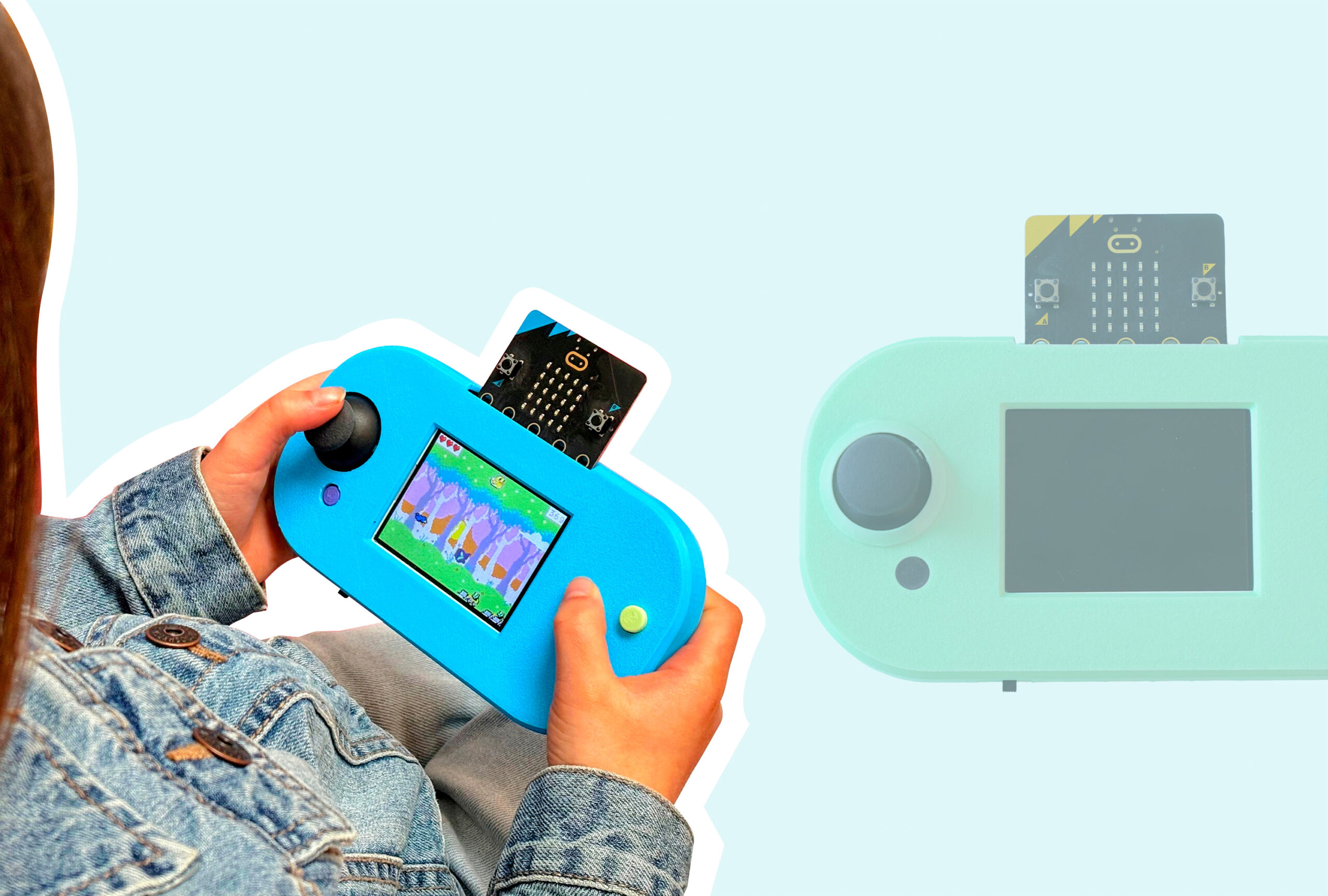
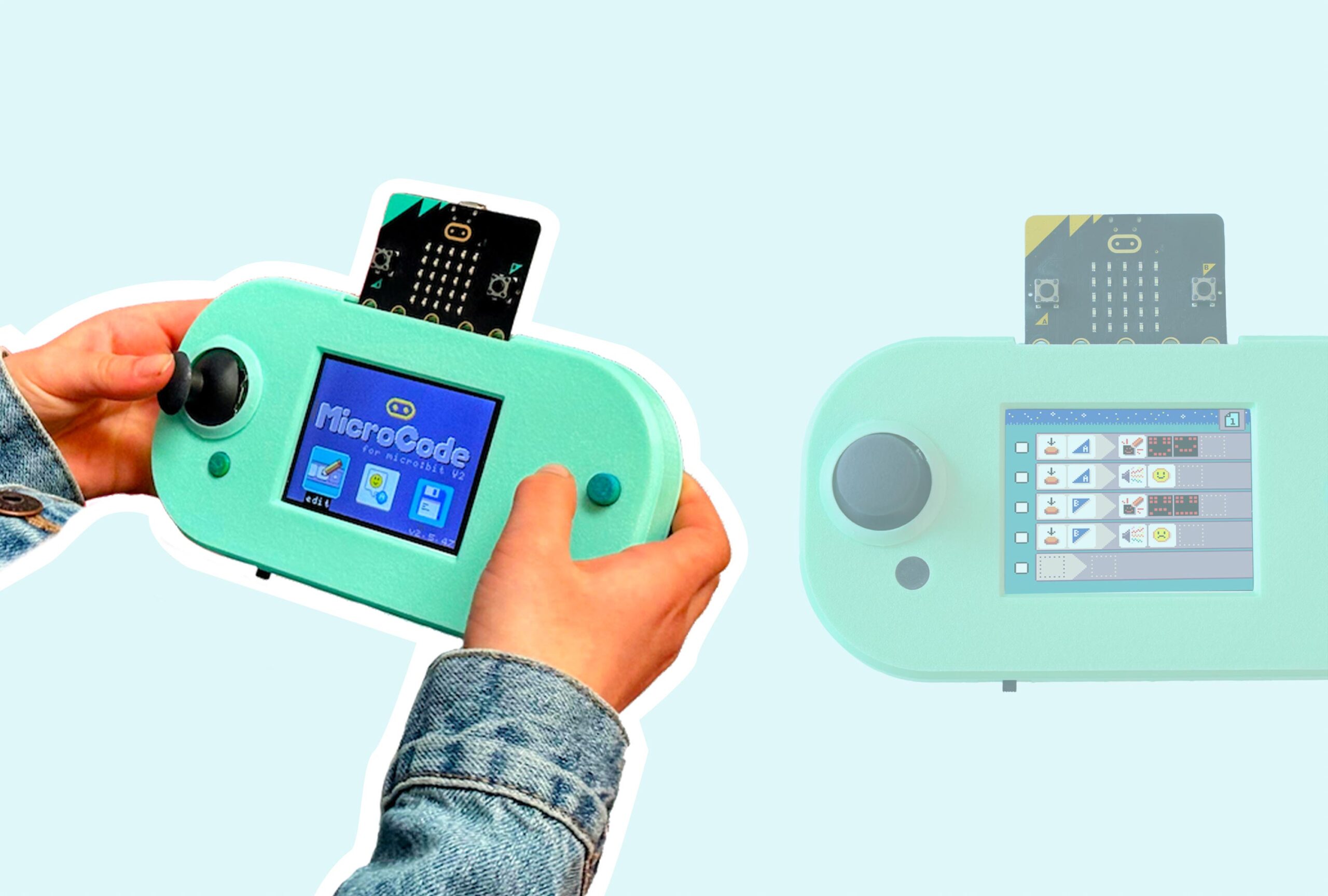
 CodeCTRL for micro:bit
A handheld controller and display for micro:bit. Code with MicroCode's icon-based editor, design and play MakeCode Arcade games, and build interactive projects — no computer required.


Standards Alignment for Grades 6–8
Forward Education kits align to CSTA Computer Science standards, NGSS Science and Engineering Practices, and CCSS Math standards for grades 6–8. Here is a summary of the key strands covered.
Full Ecosystem Alignment
Explore strand-by-strand coverage across all Grades 6–8 products. Select a subject to see coverage details.
What Teachers Are Saying
Educators using Forward Education kits with middle school learners share what it looks like in their classrooms.
Mme Chow, professeure de sciences
«Mes élèves de 7e année recueillaient des données réelles sur la qualité de l’air et les analysaient en classe. Ils n’apprenaient pas seulement les sciences de l’environnement, ils les pratiquaient. Les leçons ont permis de faire le lien avec les pratiques des NGSS de manière transparente.»
M. Osei, coordonnateur STIM
« Les projets CreateAI ont complètement changé la façon dont mes élèves perçoivent l'IA. Ils ont entraîné leurs propres modèles, ont identifié les biais et ont eu de véritables conversations sur ce que cela implique. Je ne les ai jamais vus aussi engagés. »
Mme Reyes, professeure de technologie
« Ce que j'aime, c'est que les kits sont évolutifs. Les élèves qui terminent en avance peuvent approfondir et concevoir leurs propres extensions. La structure Utiliser-Modifier-Créer signifie que chaque élève est mis au défi au bon niveau. »

RÉCIT D'IMPACT
Des étudiants ont utilisé le code et les données pour faire pousser de vraies plantes
À l'école élémentaire catholique Mother St. Bride, les élèves ont construit et programmé des systèmes d'arrosage automatisés à l'aide du Climate Action Kit. Ils ont exploré les capteurs d'humidité, écrit des boucles pour contrôler une pompe et regardé leur code maintenir les plantes en vie. Le projet a relié le codage à la sécurité alimentaire et aux objectifs de développement durable de l'ONU.
Frequently Asked Questions
The kits are built around open-ended design challenges that give students real engineering experience. Use-Modify-Create scaffolding ensures every learner has an entry point, and the projects connect to real-world problems in climate, health, and data science.
Yes. Students use micro:bit sensors to collect live temperature, light, solar output, and motion data, then graph and analyze it. Math and science standards become concrete when the data is real.
Yes. Students train gesture-recognition models using CreateAI, explore algorithmic bias, and investigate the ethics of automation, all hands-on with a micro:bit. No prior AI experience needed.
Kits are built around the BBC micro:bit and include sensors for temperature, light, and motion. The Coding for Climate Kit and Robotics Kit add motors, chassis components, and additional electronics for more complex builds.
The kits align to CSTA Computer Science Standards, NGSS Science and Engineering Practices, CCSS Math Standards, and UN Sustainable Development Goals. Full alignment documentation is available on this page.
No. All lesson plans include teacher guides, discussion prompts, and extension activities. The MakeCode platform handles the coding environment, so you can focus on facilitating the learning.
Projects connect coding to climate science, health, engineering, and social studies. A student might code a soil moisture sensor in science class and then use the same data set in a math lesson on graphing and statistics.


